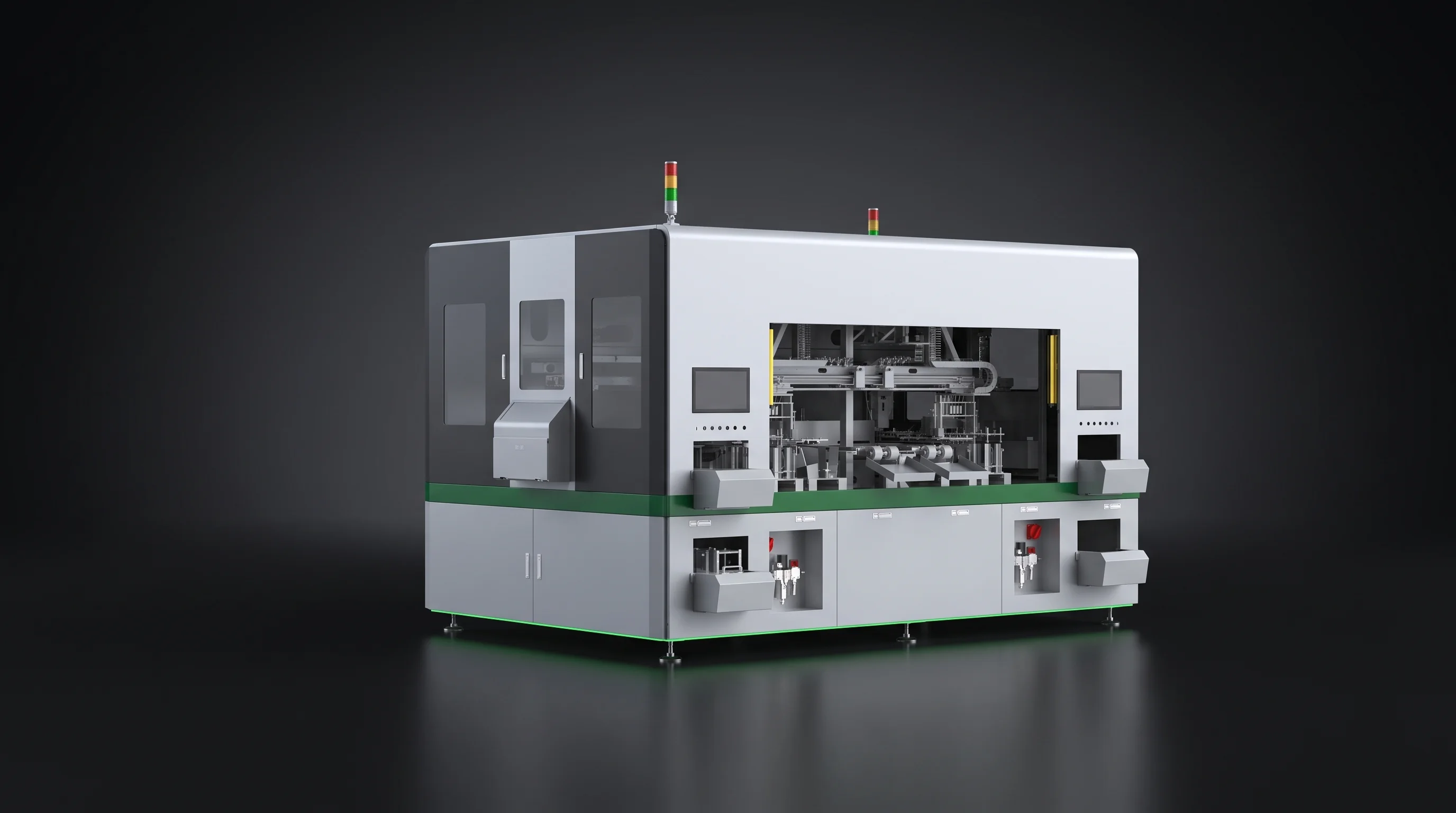
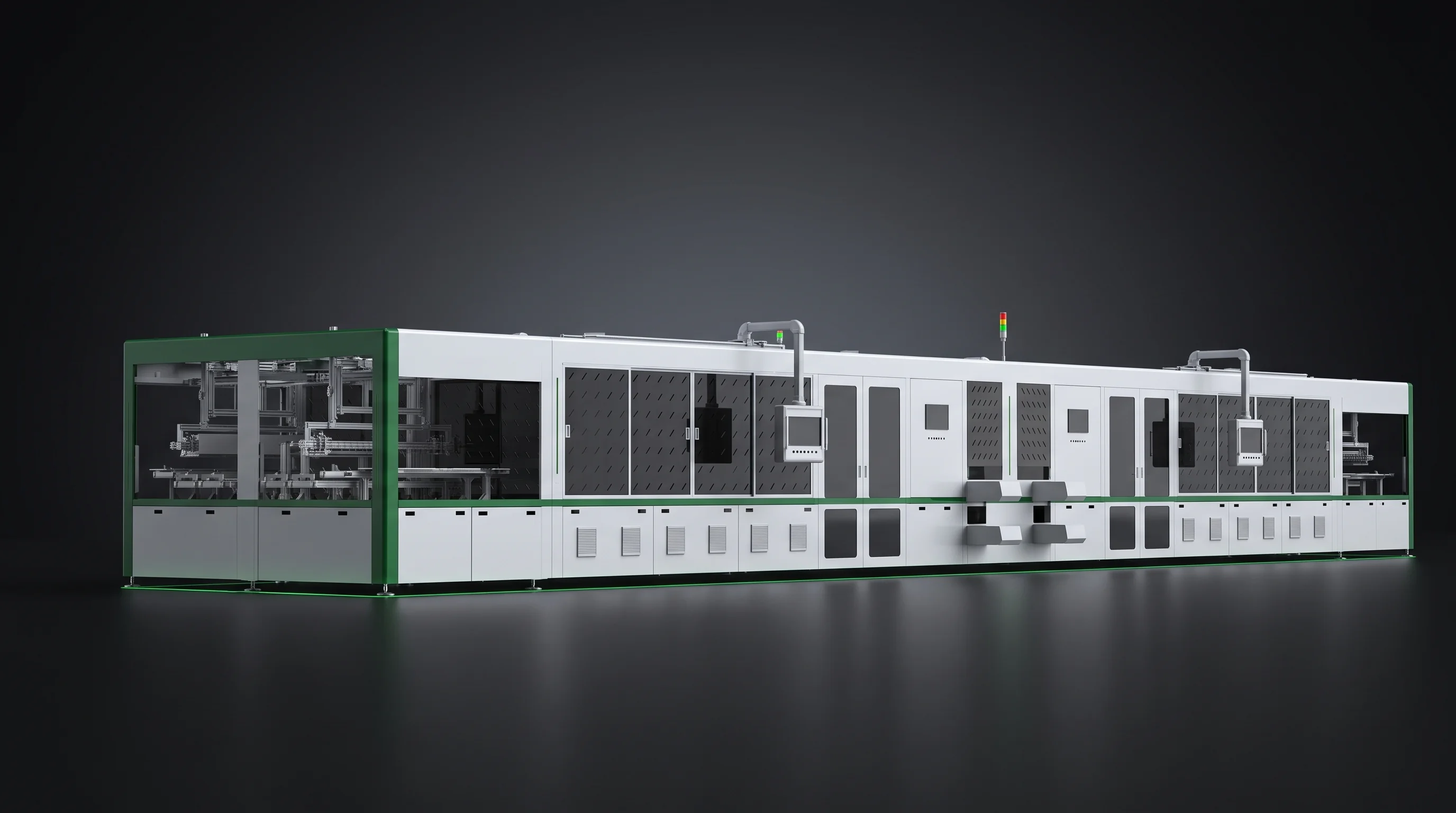
SML-C72 Laser scriber
High-speed non-destructive scribing
- Output
- ≥4800 BC pcs/h · ≥6800 TOPCon/PERC pcs/h
- Breakage
- ≤0.05%, the lowest figure on this site
Send cell size, thickness and cuts per cell.
Enquiry desk
Every solar module line quote on this site is written by the engineers who size the machines, not passed through a mailbox. Send cell format, busbar count and target output; an application engineer takes the enquiry from there and stays on it through commissioning.
Your enquiry, ready to send
If your email client opened, it is already in the message. If nothing opened, use one of the routes below.
Inside the first reply
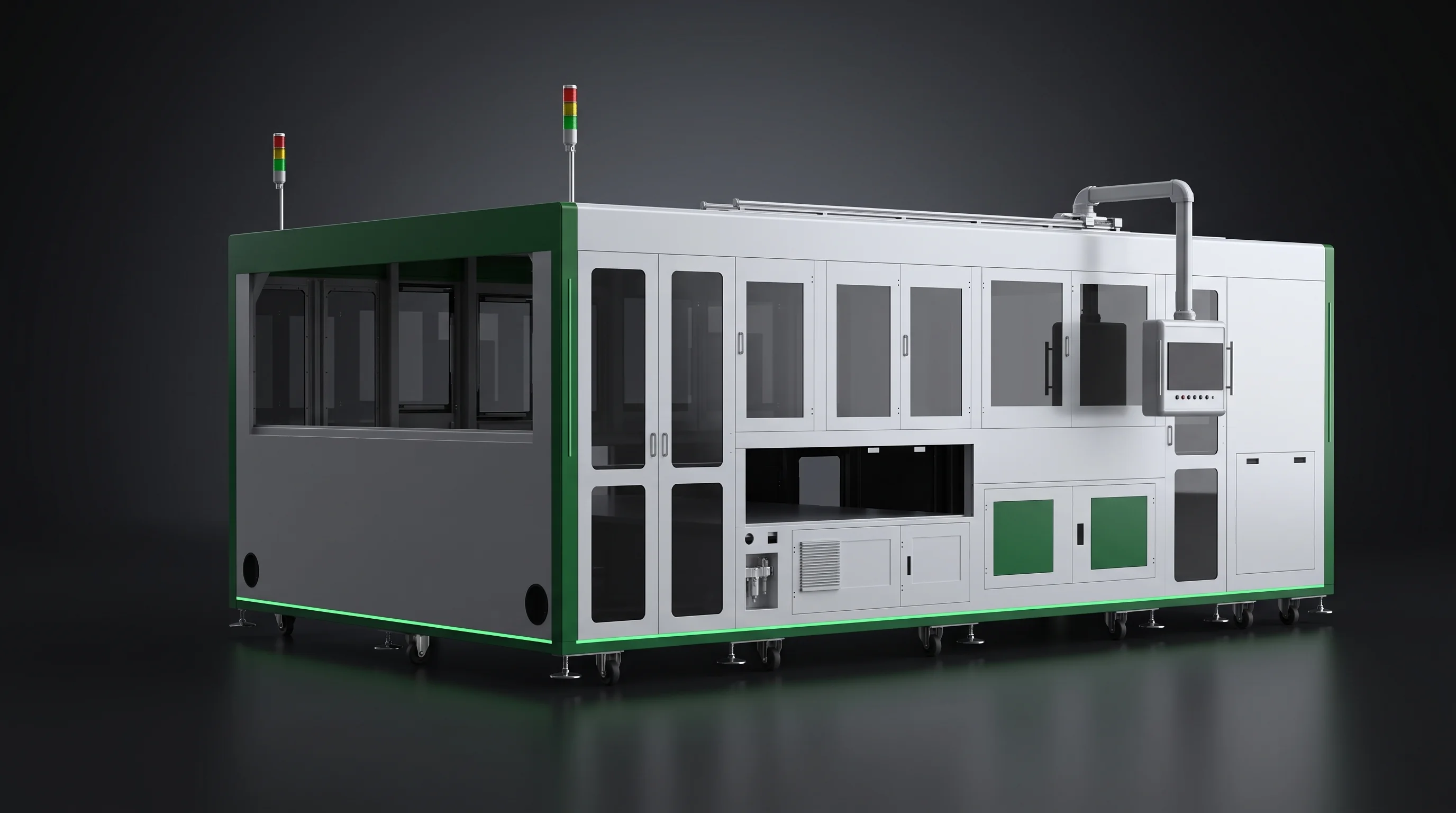
Three things arrive in the first mail, not after three rounds of qualifying questions. The span they cover is fixed: from the cell arriving at the scriber to the frame leaving the marker.
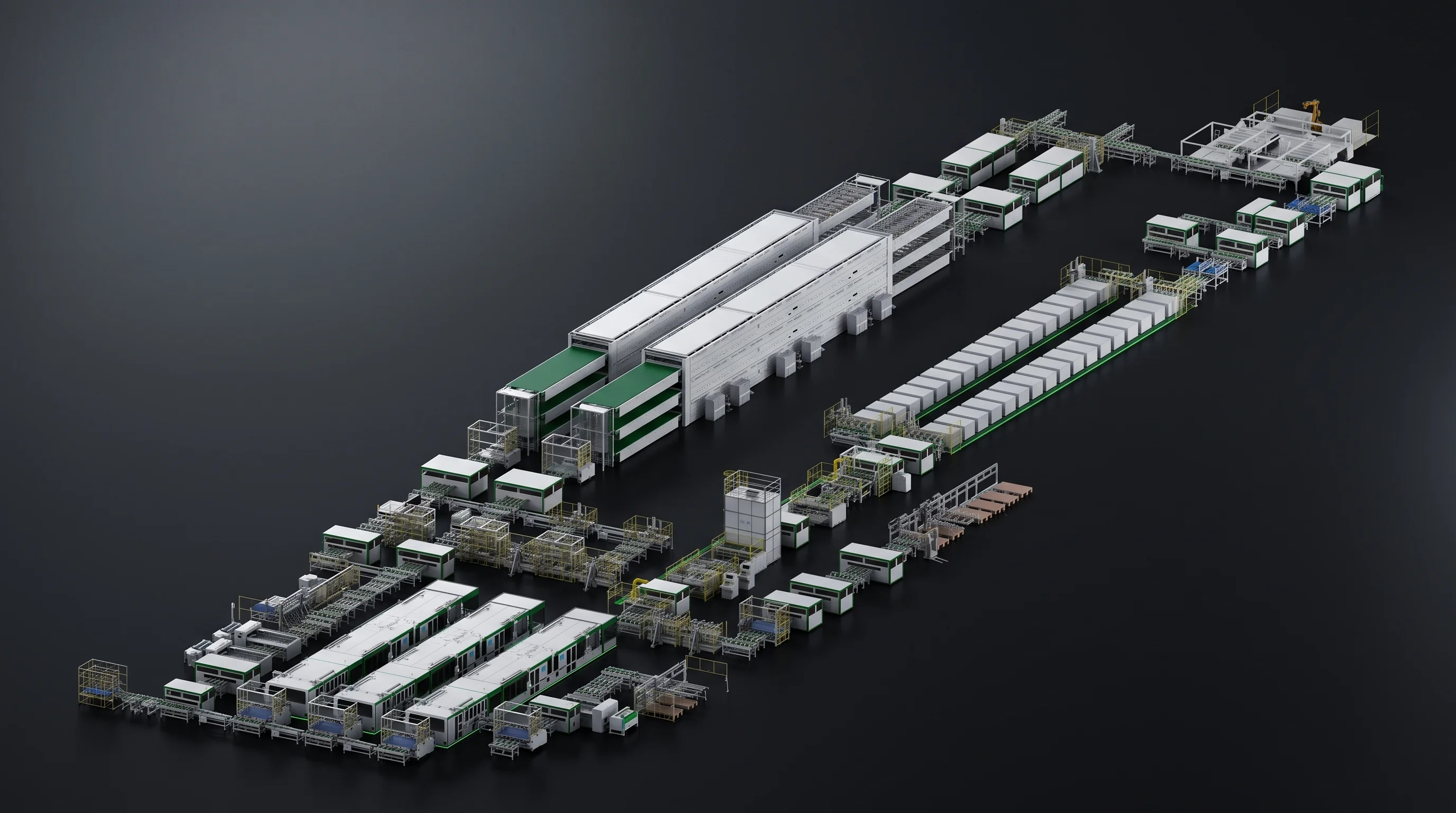
Laser scribing, tabber-stringing, robotic layup, bussing, EL and IV test, frame marking. Cells and lamination sit outside it.
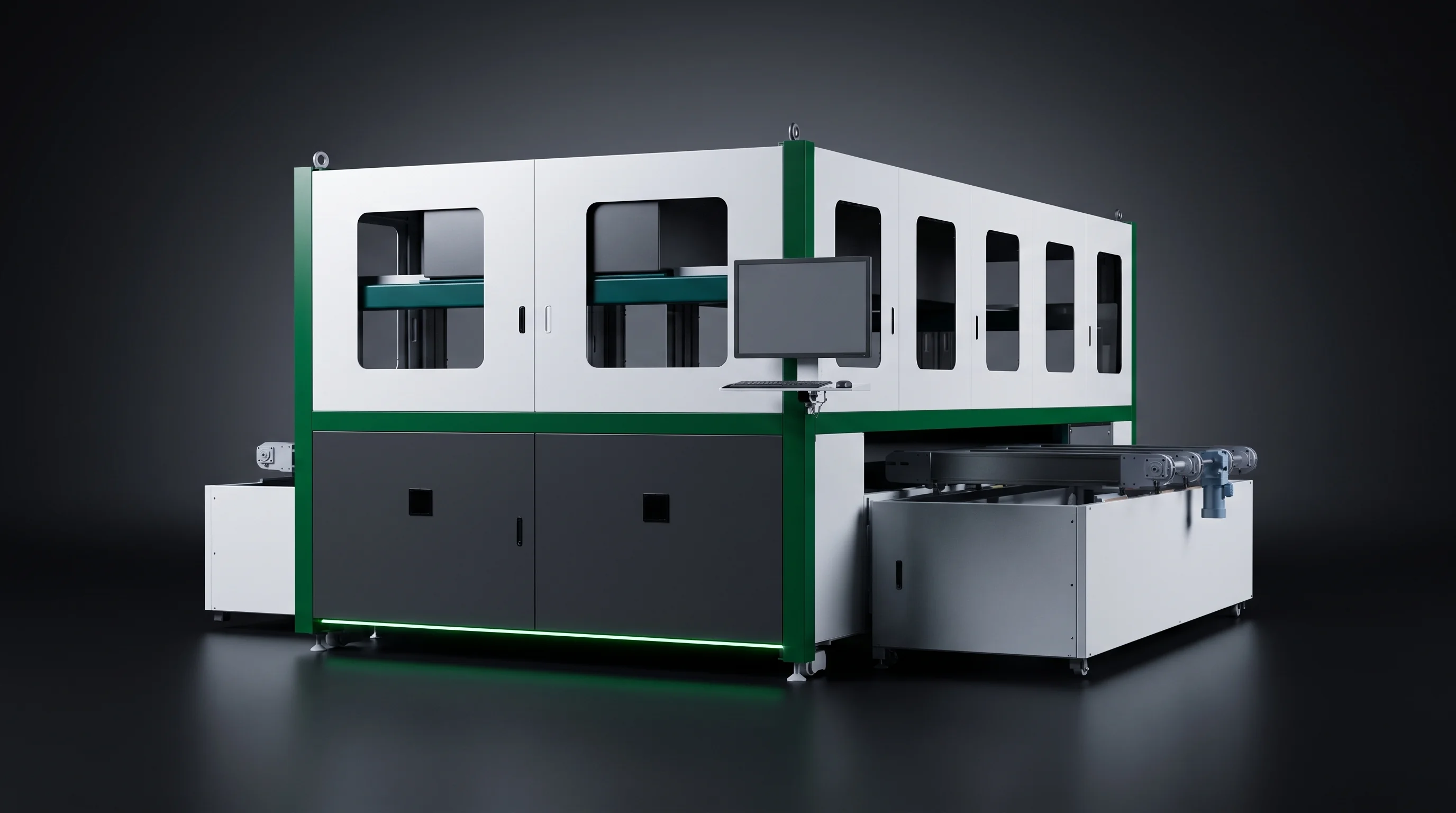
Only out of the range that carries a full parameter table behind it, with the reason each one matches the cell format and output you gave.
Something concrete to react to
The first reply names a starting machine for whichever route fits, so there is a real object on the table at the first reading rather than a range of possibilities. Each of these six carries a signed parameter table; the figure beside it is what acceptance is measured against.
Send the one line under each card and the selection can be confirmed or replaced on the next exchange.
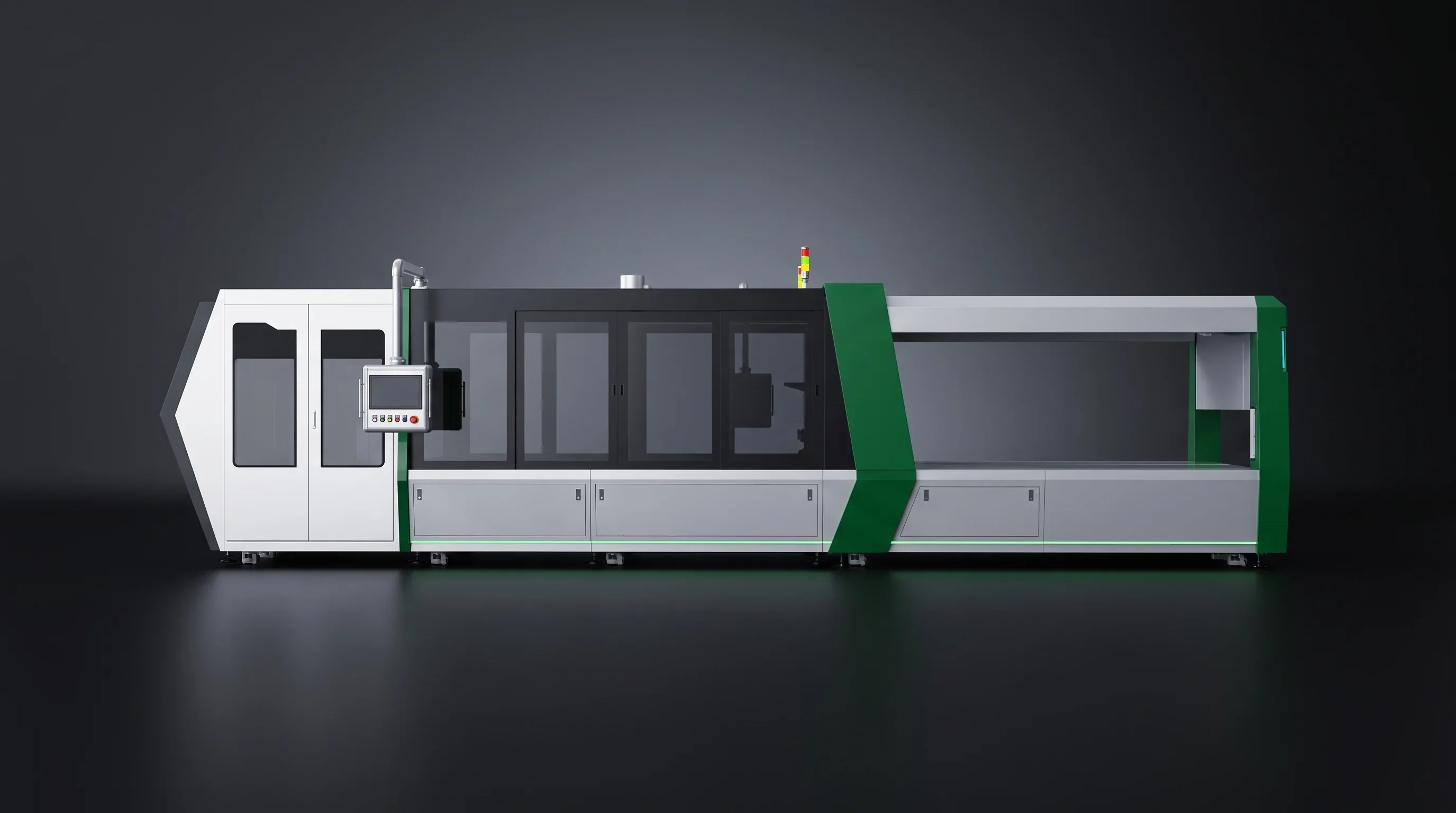
SML-C72 Laser scriber
Send cell size, thickness and cuts per cell.
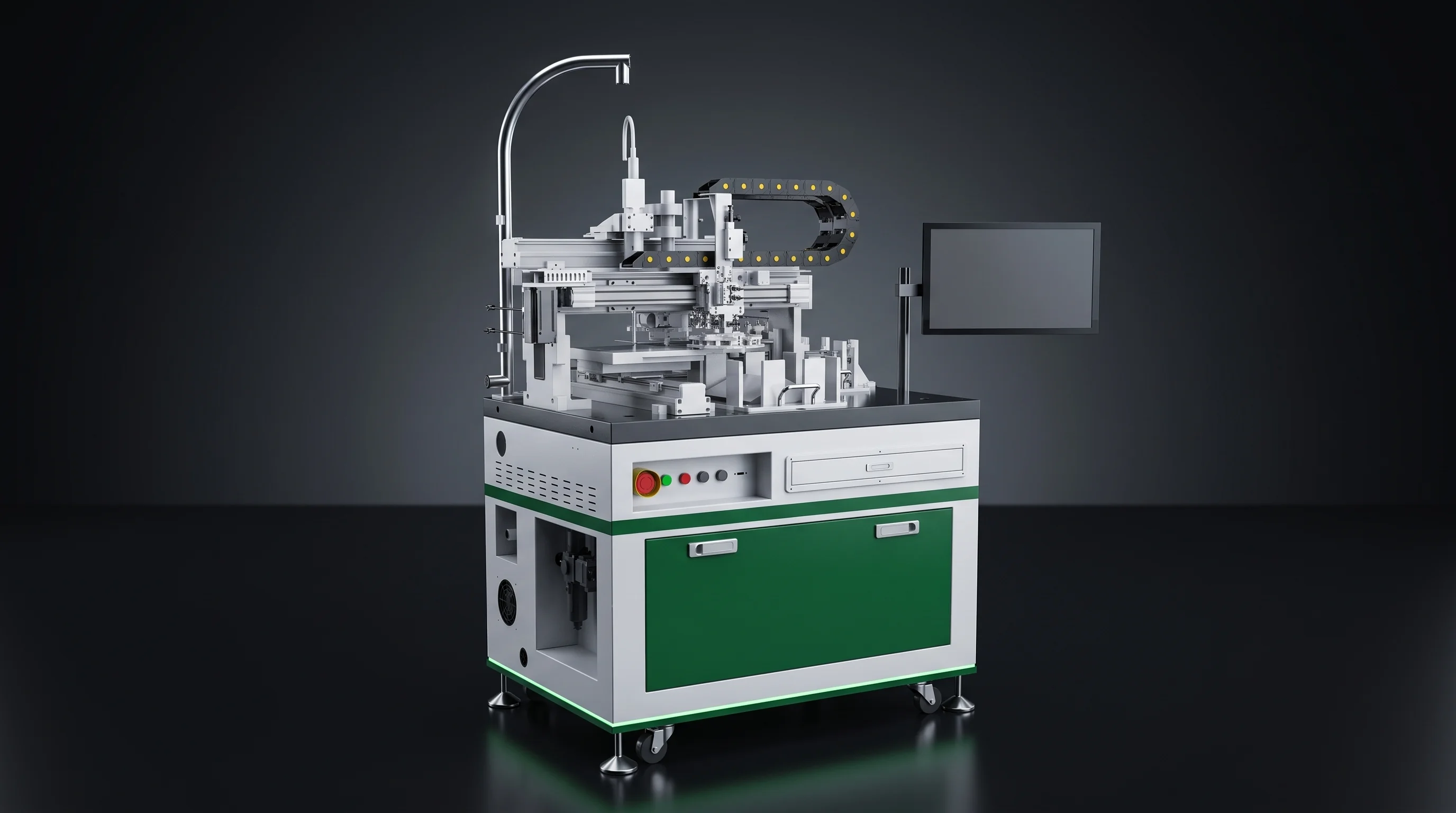
SML-C20 Entry scriber
Send cell size and the split you want.
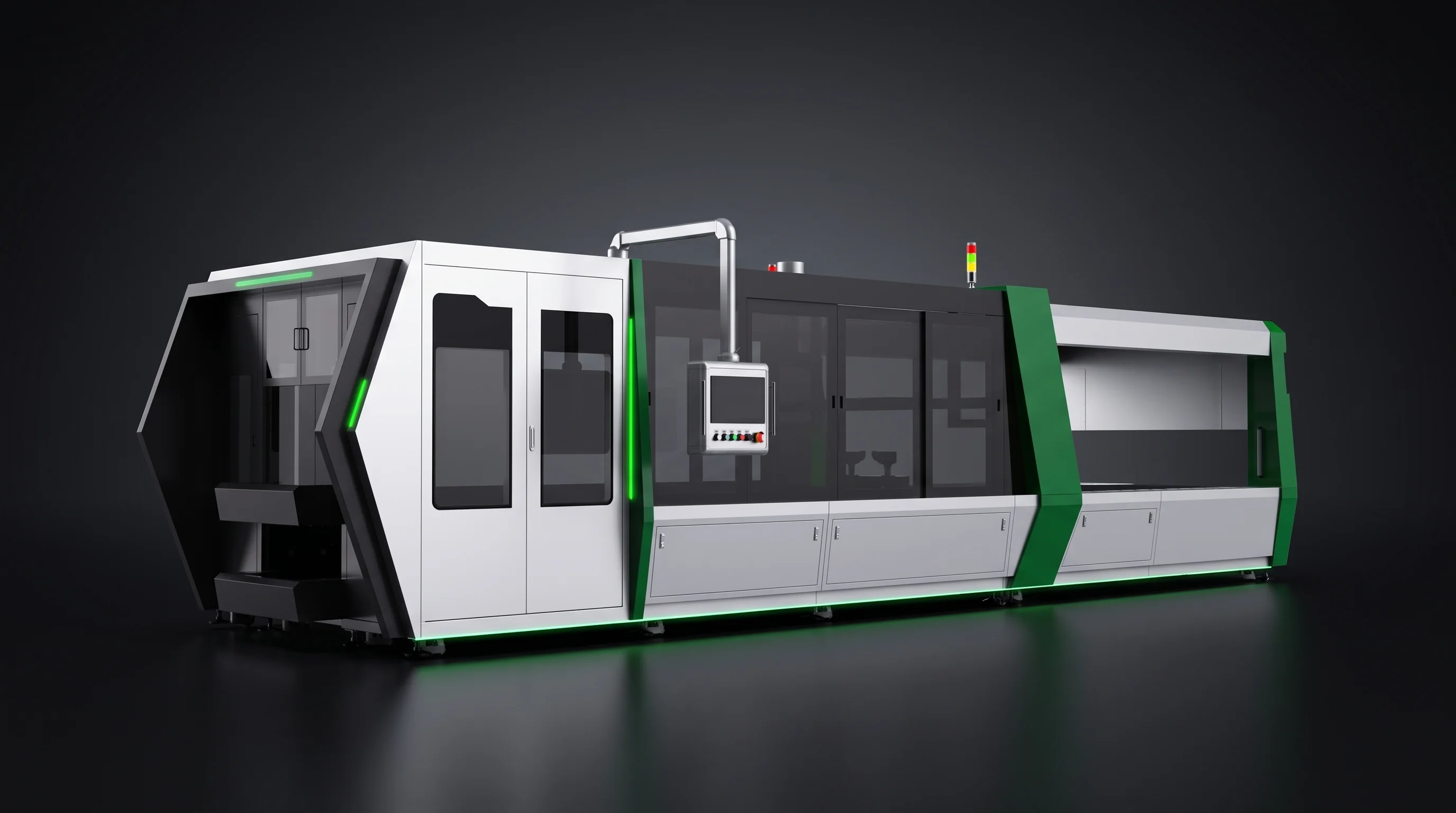
SML-S60 BC stringer
Send BC cell format, busbar count and string length.
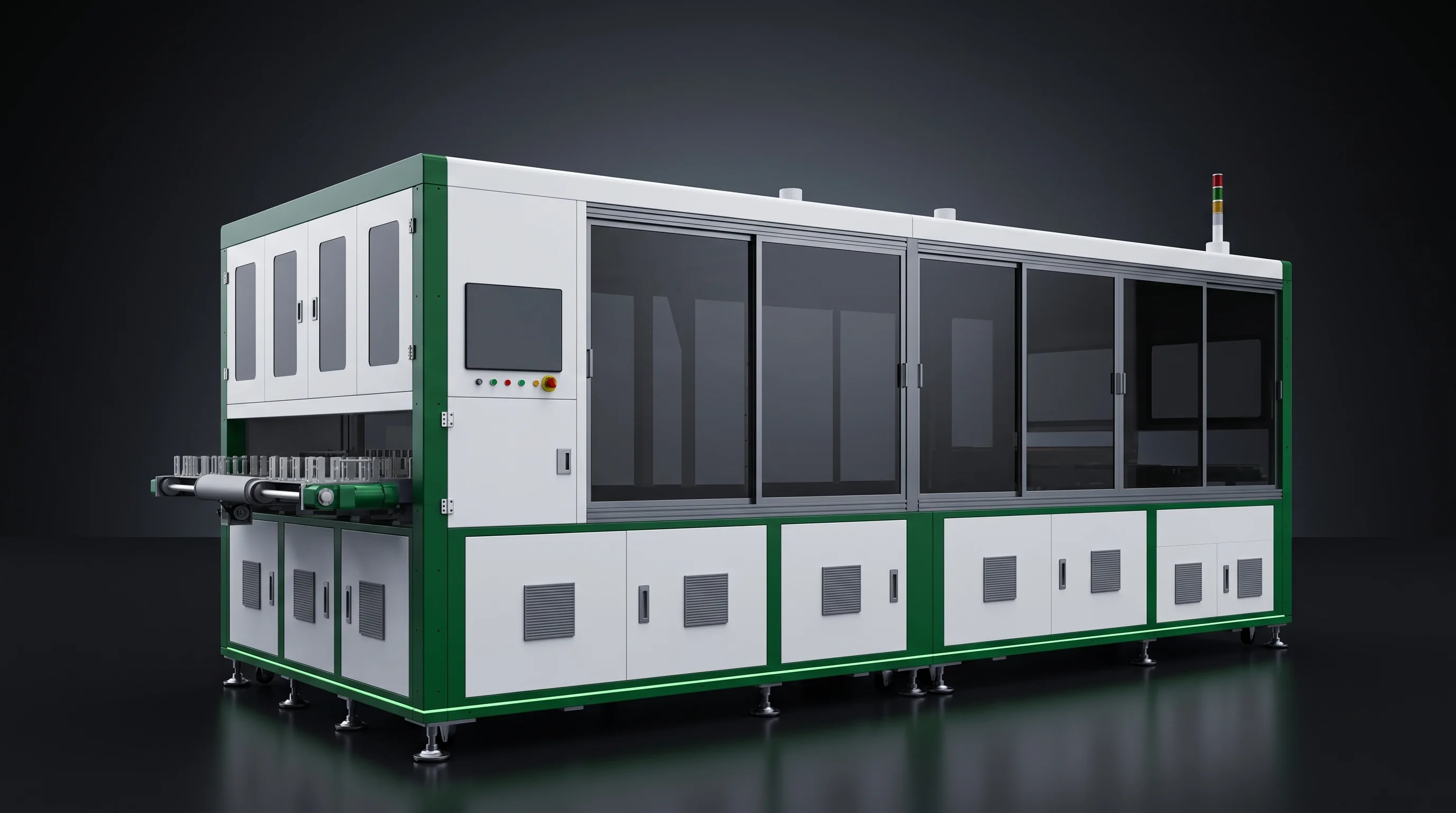
SML-S40 Multi-busbar stringer
Send busbar count and cell thickness.
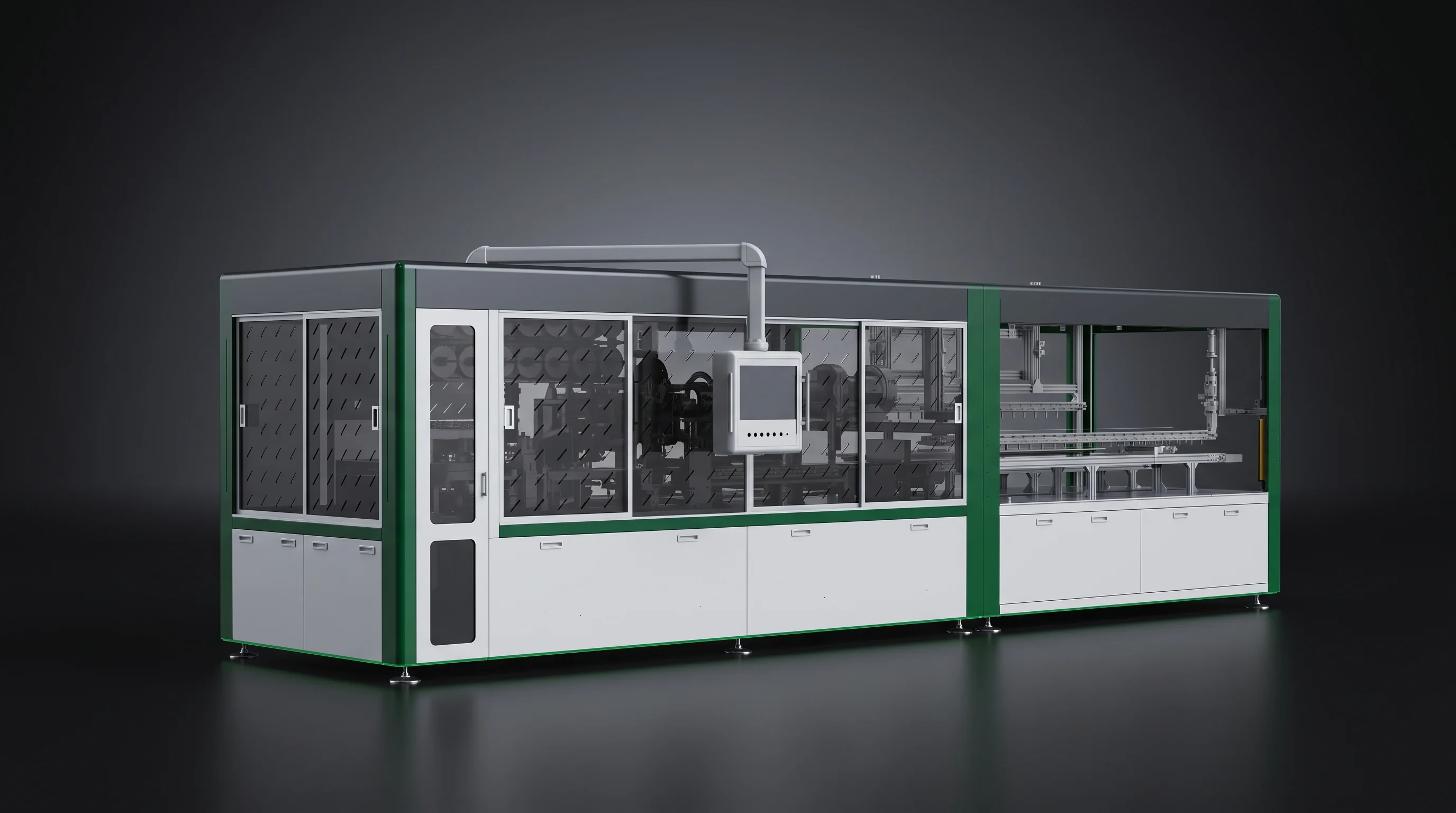
SML-S15 Entry stringer
Send target panels per hour and bay length.
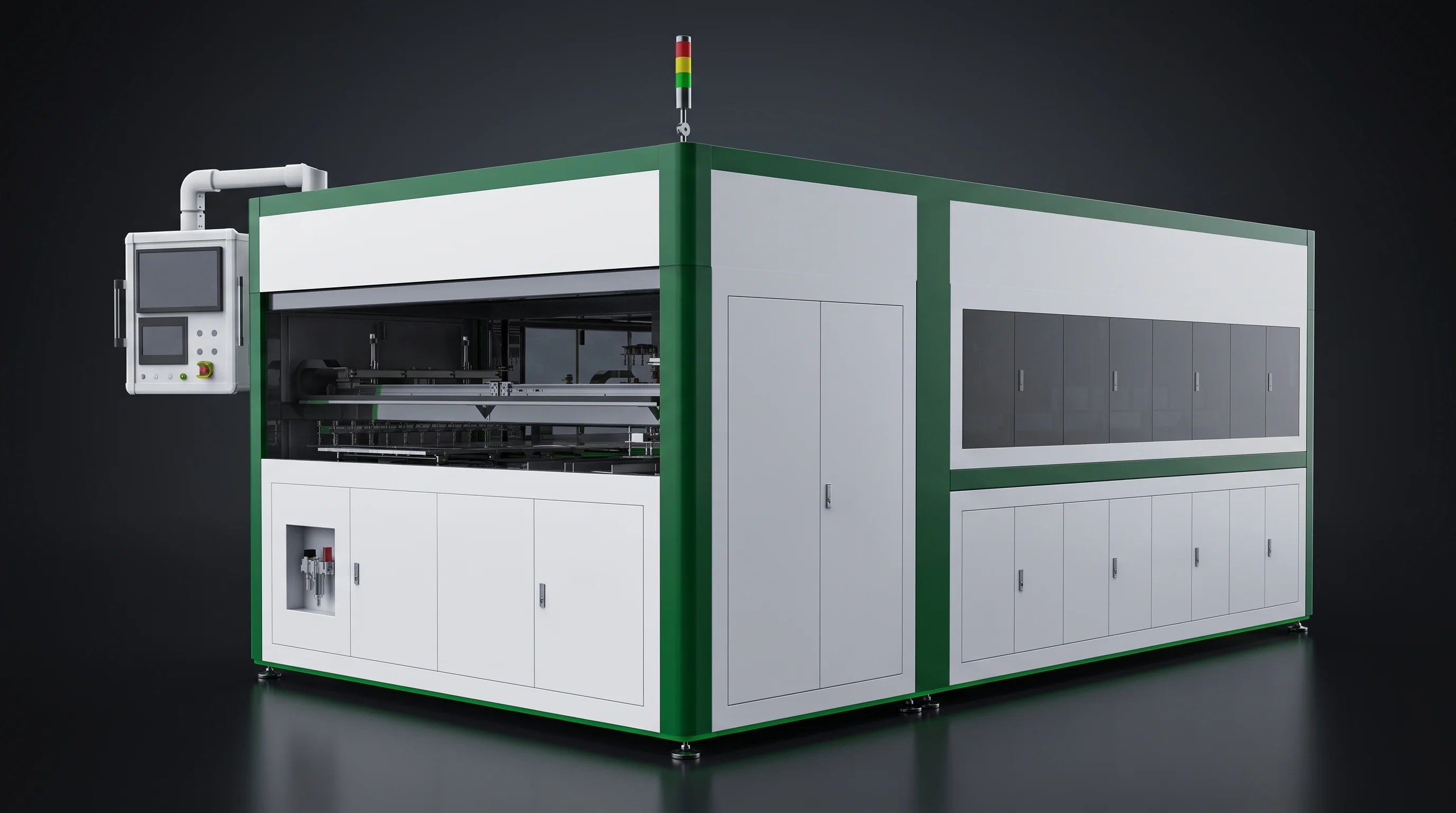
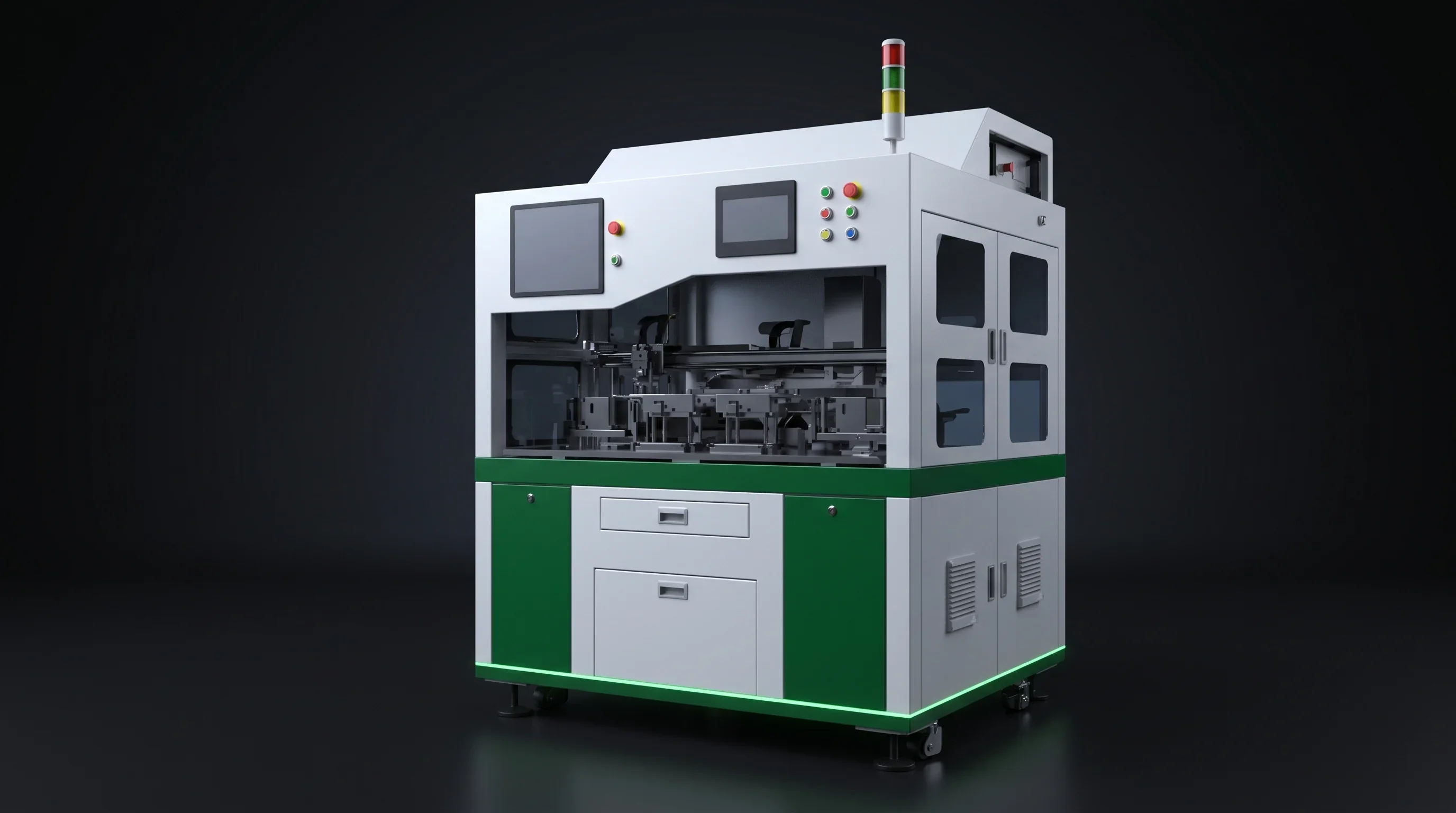
SML-A6 Robotic layup
Send module size and the stringer outfeed height.
Three enquiry routes
Every enquiry lands on one of three routes, and each one is answered from a different starting point. Pick the route below and the panel lists exactly what makes the reply useful on the first pass.
One sentence is enough
An enquiry can be a single sentence, and it is answered the same day it is read. Answer the parts you know, leave the rest, and the selection is refined on the next exchange. Nothing on this page has to be complete before writing in.
After the first reply
Between that first mail and a signed technical agreement, the work runs in a fixed order. Each step closes before the next opens, so nothing is assumed and nothing is renegotiated twice.
Production cell samples and string information reach us within 5 to 10 working days of the contract, and tooling is cut against them.
One format the machine will be built and accepted around, with the drawing signed by you.
Both follow from that format. Any second format inside the compatibility window is listed as a tooling change, not assumed.
Negotiated item by item. Acceptance is measured against the table and nothing else.
Footprint with operating space, docking heights, feed cross-sections, hose count, exhaust ports, floor load.
Production cells and string information arrive; tooling is cut against the real material, not the drawing alone.
The agreed table, layout and utility list become the technical agreement. There is no second document that quietly outranks them.
Acceptance, not adjectives
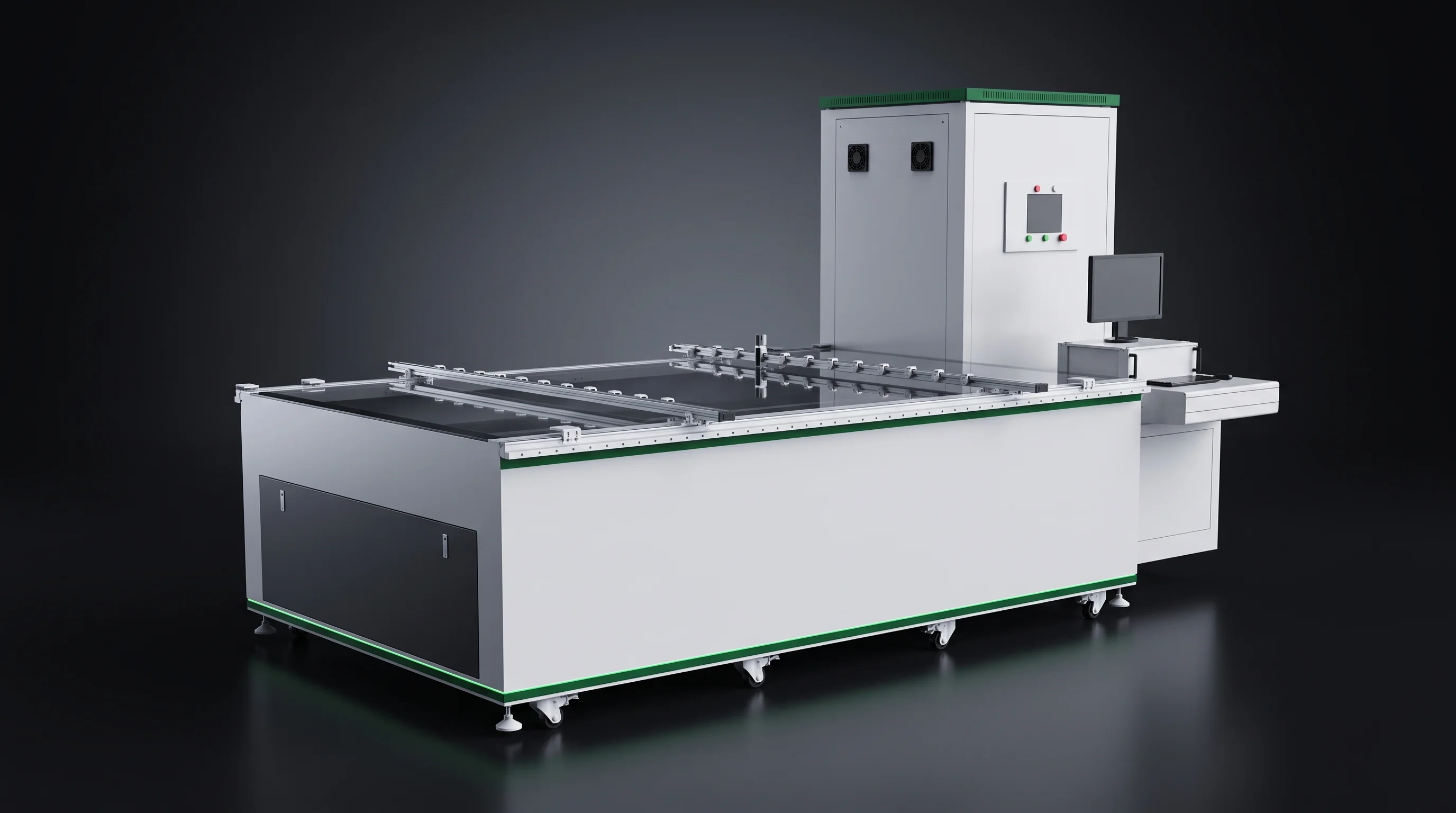
Eight rows decide whether a machine ships. Each one carries a figure and a method, agreed before the build starts and checked on your own blueprint cells at run-off.
| Parameter row | Figure written in | How it is judged |
|---|---|---|
| Positioning deviation | ≤±0.05 mm on SML-S60 and SML-C72; ≤±0.1 mm on SML-S40 and SML-S15 | Measured across a continuous run of your blueprint cells |
| Angular deviation | ≤±0.04° | Same run, logged string by string |
| Soldering pull force | ≥0.5 N front; ≥1 N on the back side of SML-S40 | Pull test per busbar; at most one point per ribbon below 0.5 N |
| Cell pitch and tolerance | −1 to −0.5 mm or +1 to +5 mm, held to ±0.3 mm | Measured on finished strings, not on the setting screen |
| String straightness | ±0.5 mm | Measured over the full 540–1400 mm string length |
| Breakage rate | ≤0.25% stringing; ≤0.05% scribing | Counted across the whole acceptance run, A-grade cells |
| String defect and rework | ≤3% defect; ≤15% rework | Appearance and EL check on the same run |
| Uptime | ≥95% | 1 − unplanned downtime ÷ 24 h, over a continuous 24-hour day |
Swipe the table
Before the machine is yours
Two visits are worth asking for, and they show different things. One judges how a machine is built; the other judges whether it does what the table says.
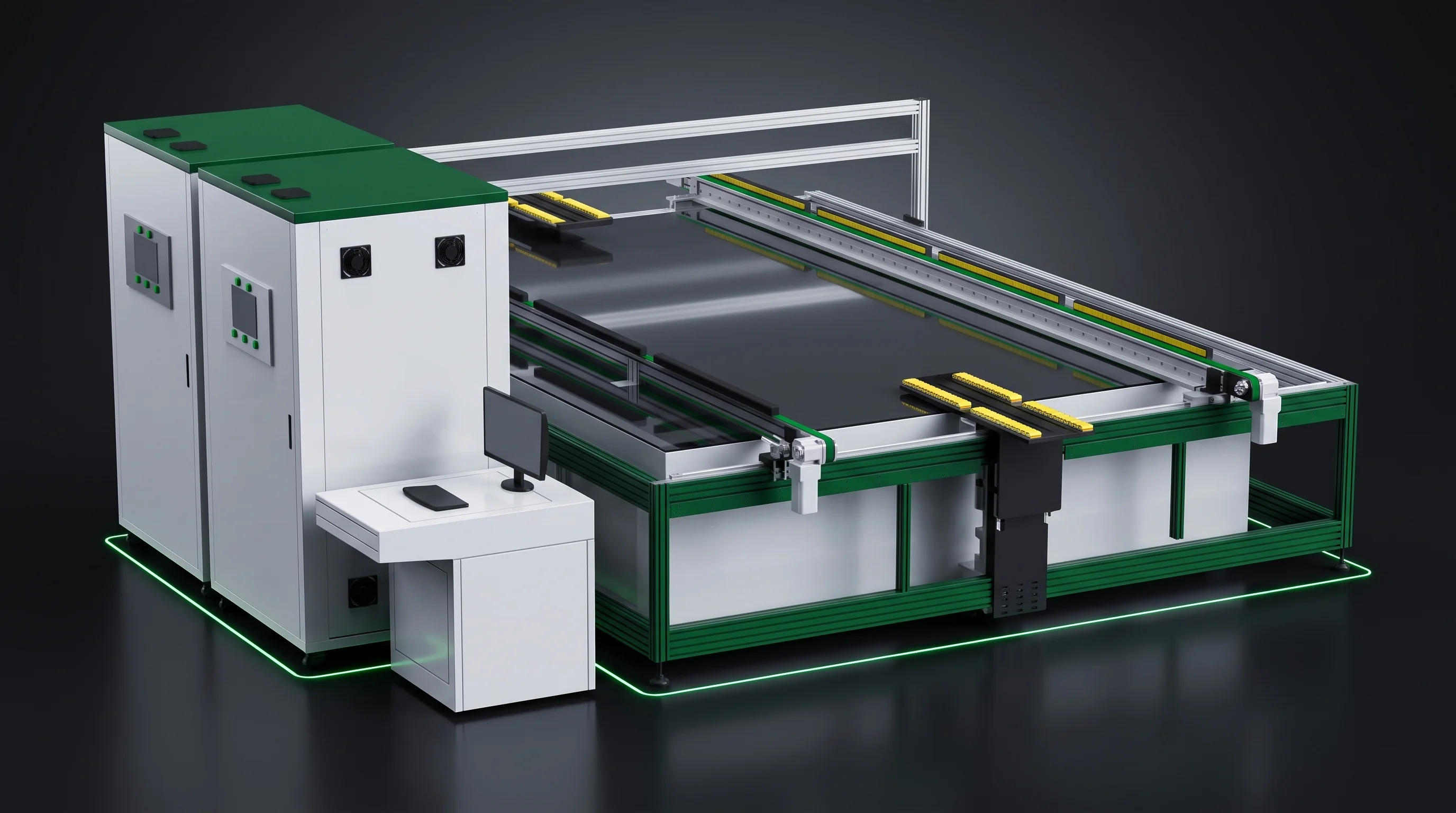
The schedule comes back with the build stage the machine will be at on those dates, so the trip lands on something worth watching.
Three clocks
Three numbers hold for every enquiry and every installed machine. They are separate clocks, and each one starts on a different event.
Every machine carries one year of free warranty with lifetime repair service from handover. The clocks above do not stop when the warranty year ends; the repair service does not either.
Same address, faster clock
Machines already installed reach us at [email protected]. A first message that carries the five items below usually skips an entire round of questions.
Field service covers installation, commissioning and repair, on machines of any age.
Training sits inside this too: free before acceptance, once and up to twice, 10 hours on the floor split as above, plus 3 hours of commissioning and safety instruction.
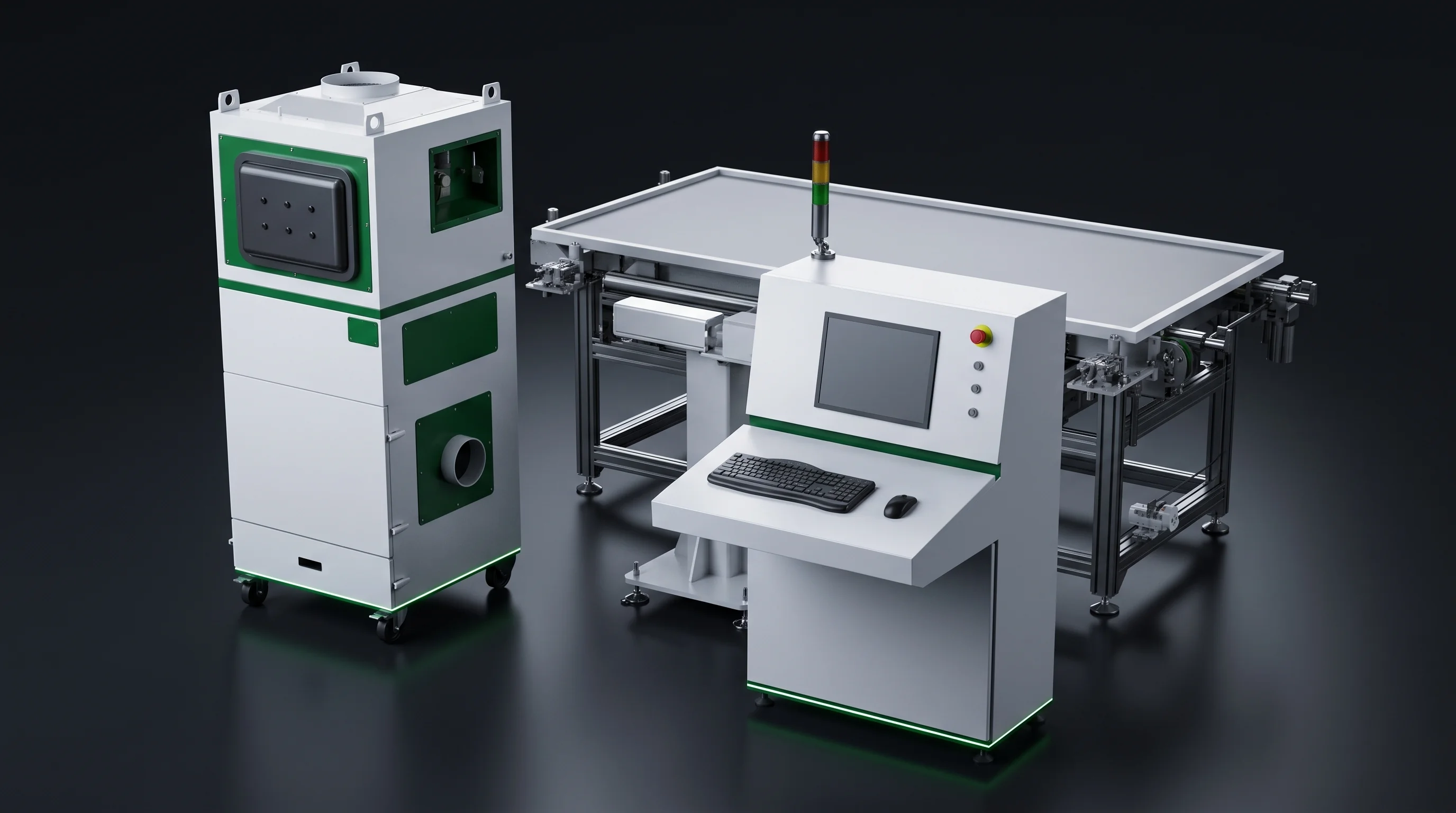
Drawings, layout files and photographs travel by email in both directions, from the first reply through to commissioning.
Attach a cell drawingSend your cell format
Cell technology, cell size, busbar count, target string length and output target — to [email protected], or through the form at the top of this page. A machine selection with a layout direction comes back within 24 hours.
Five lines is a complete enquiry. Fewer still gets an answer.