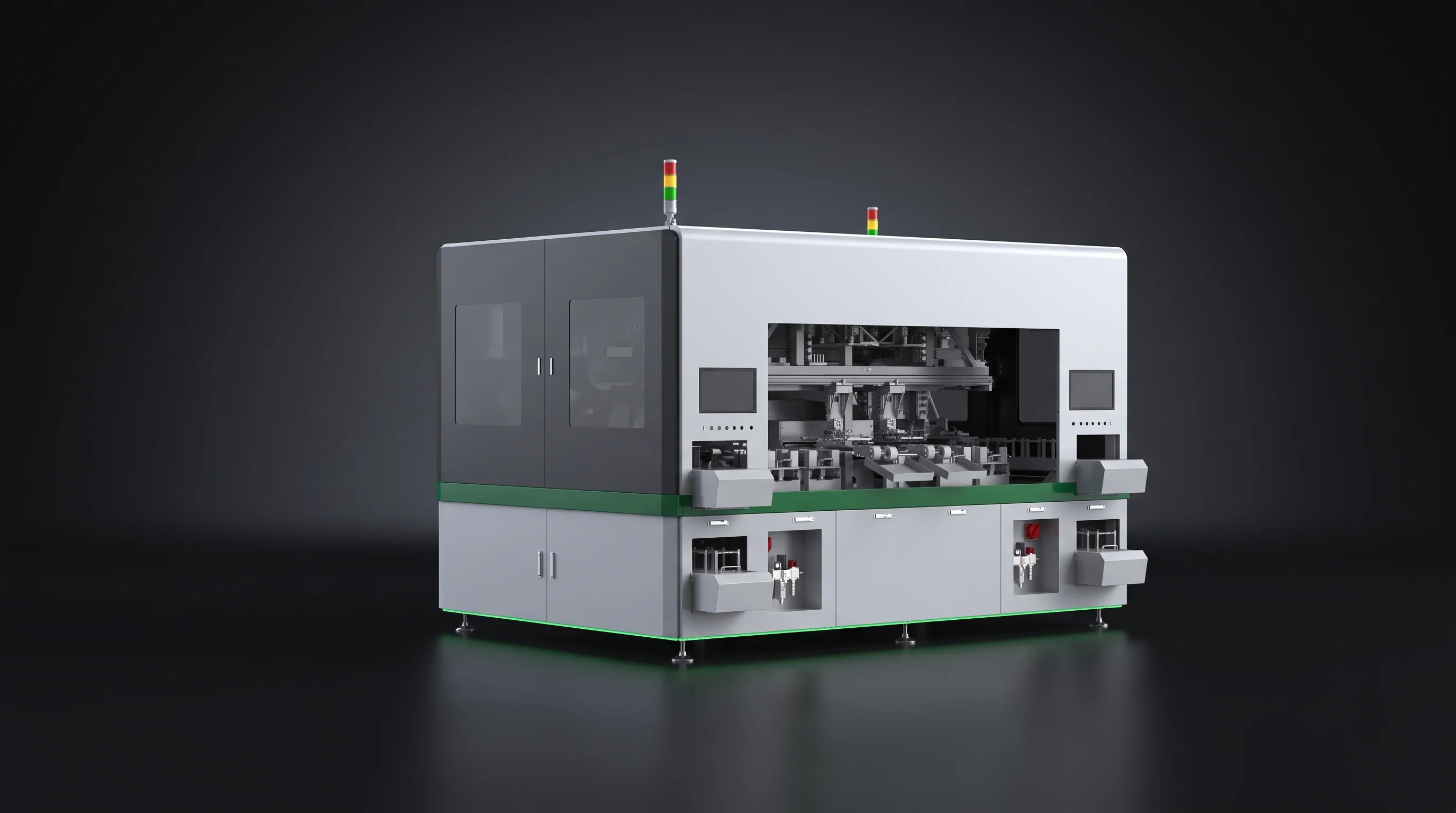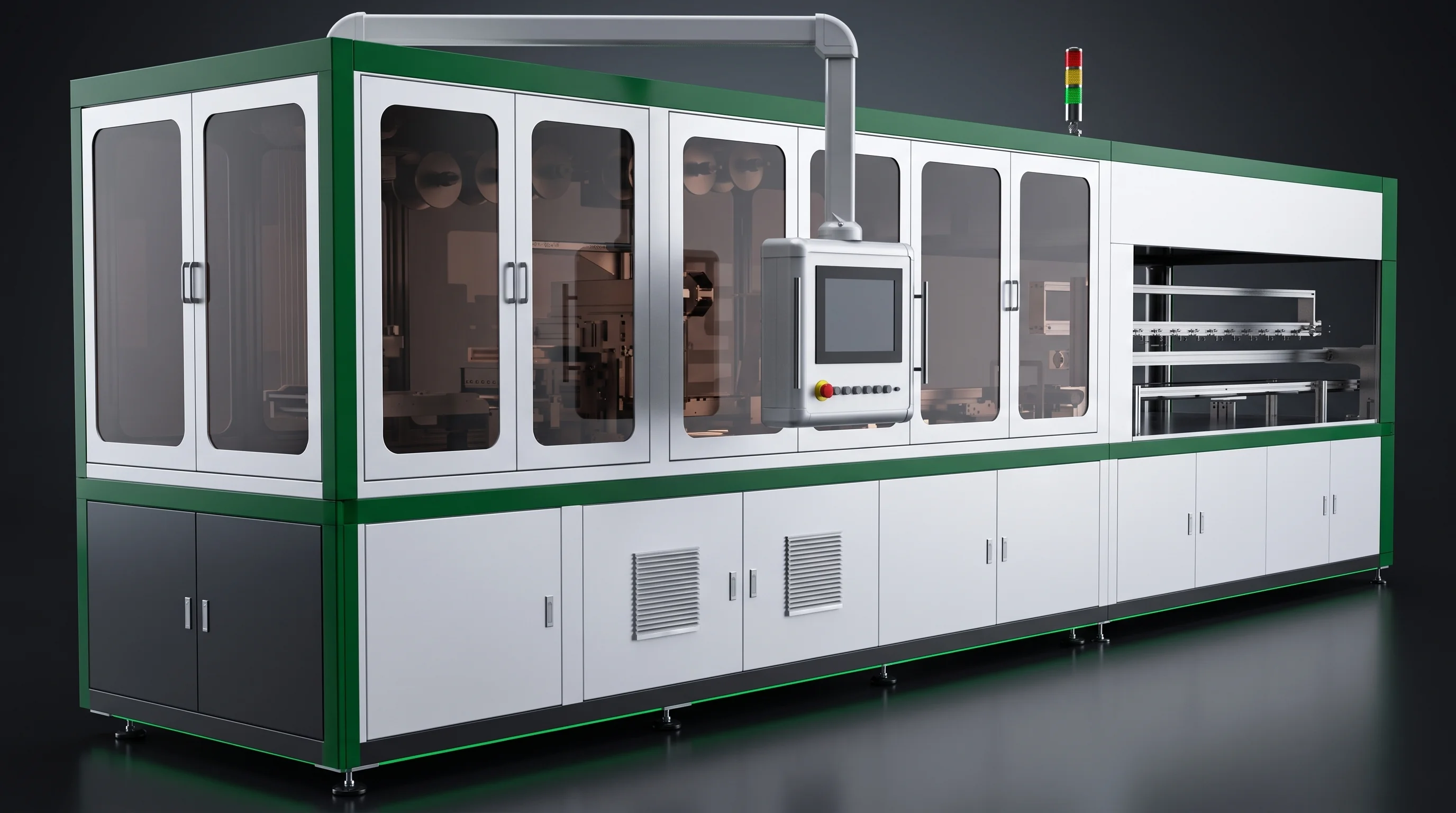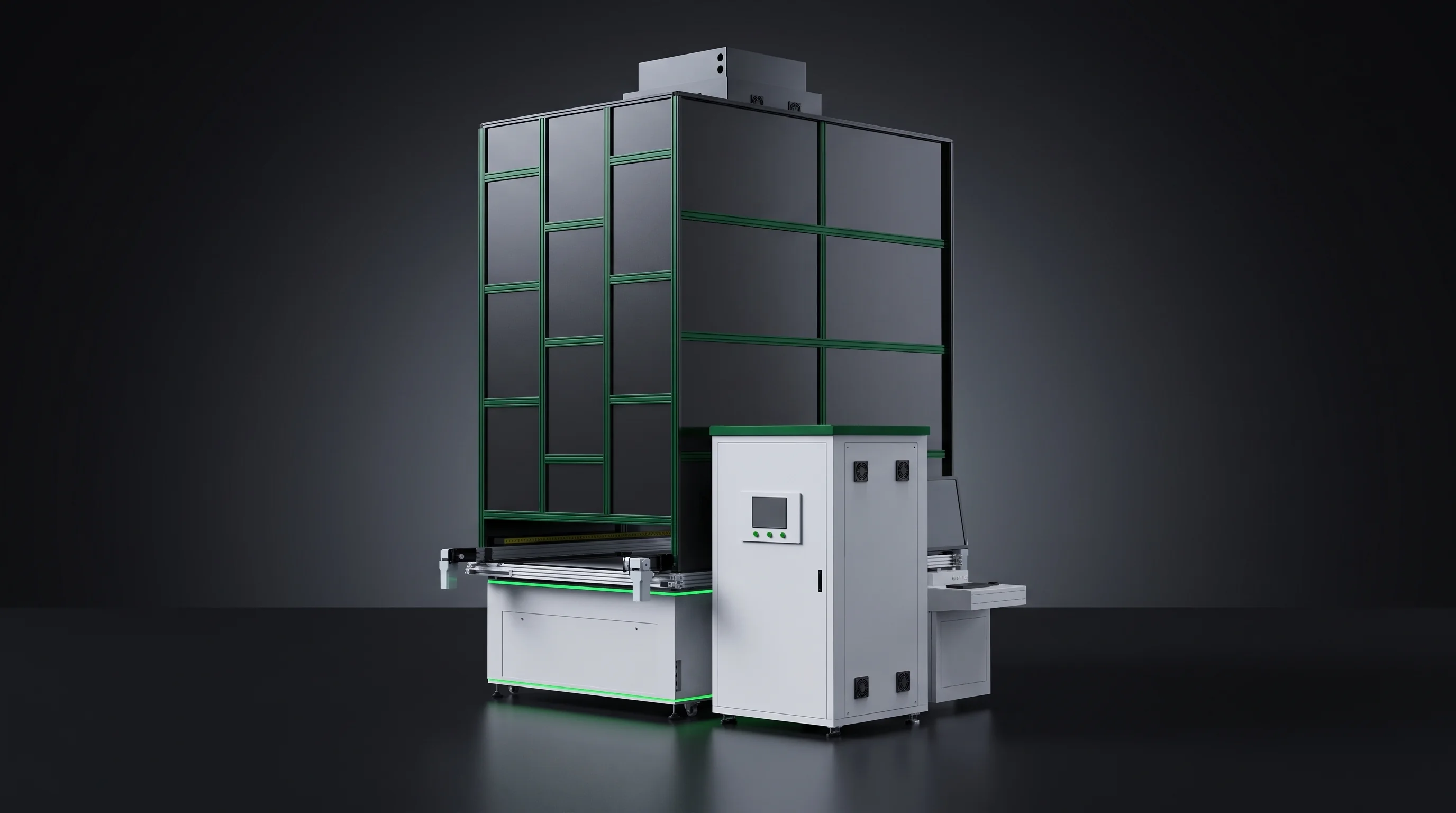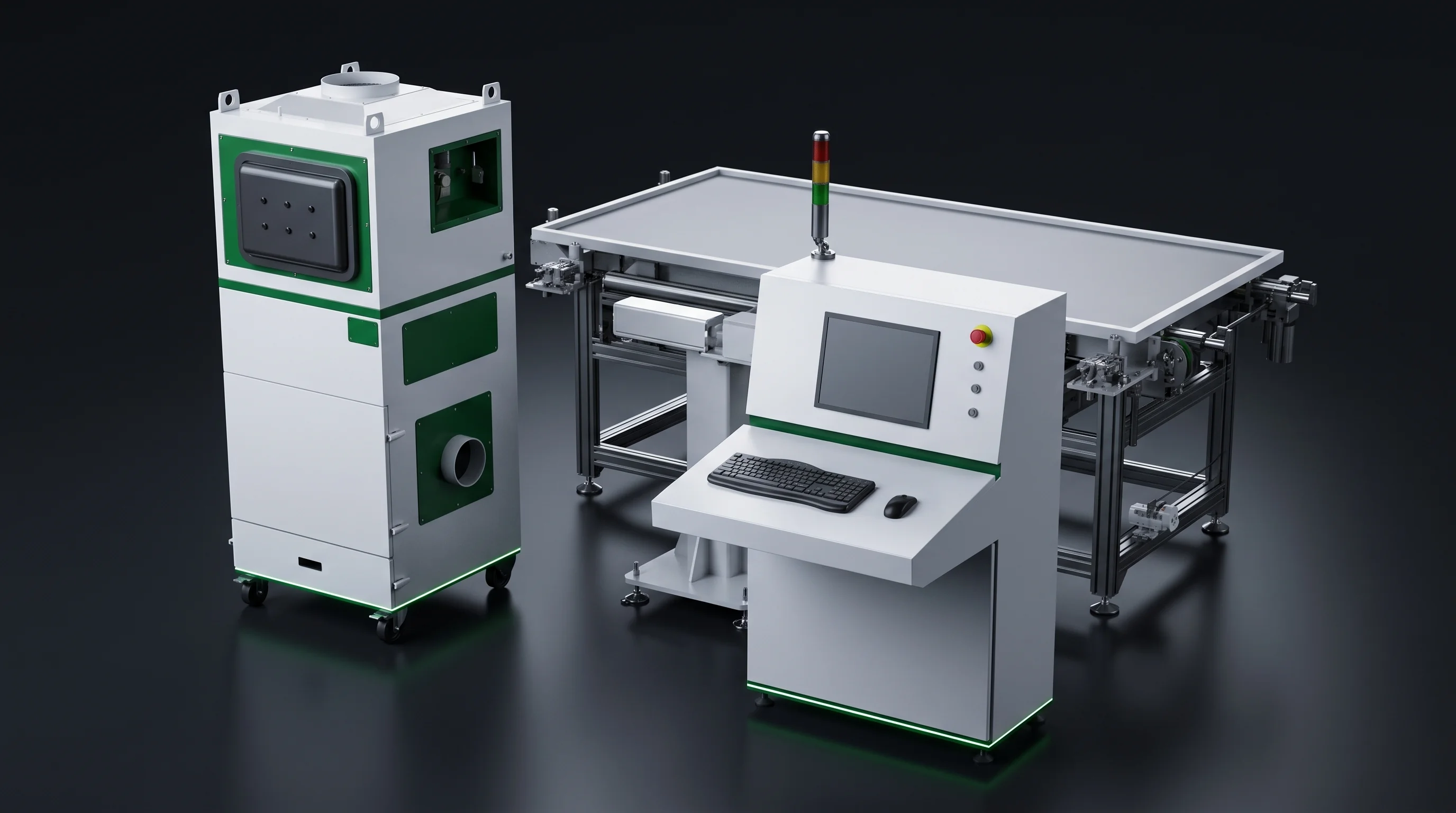
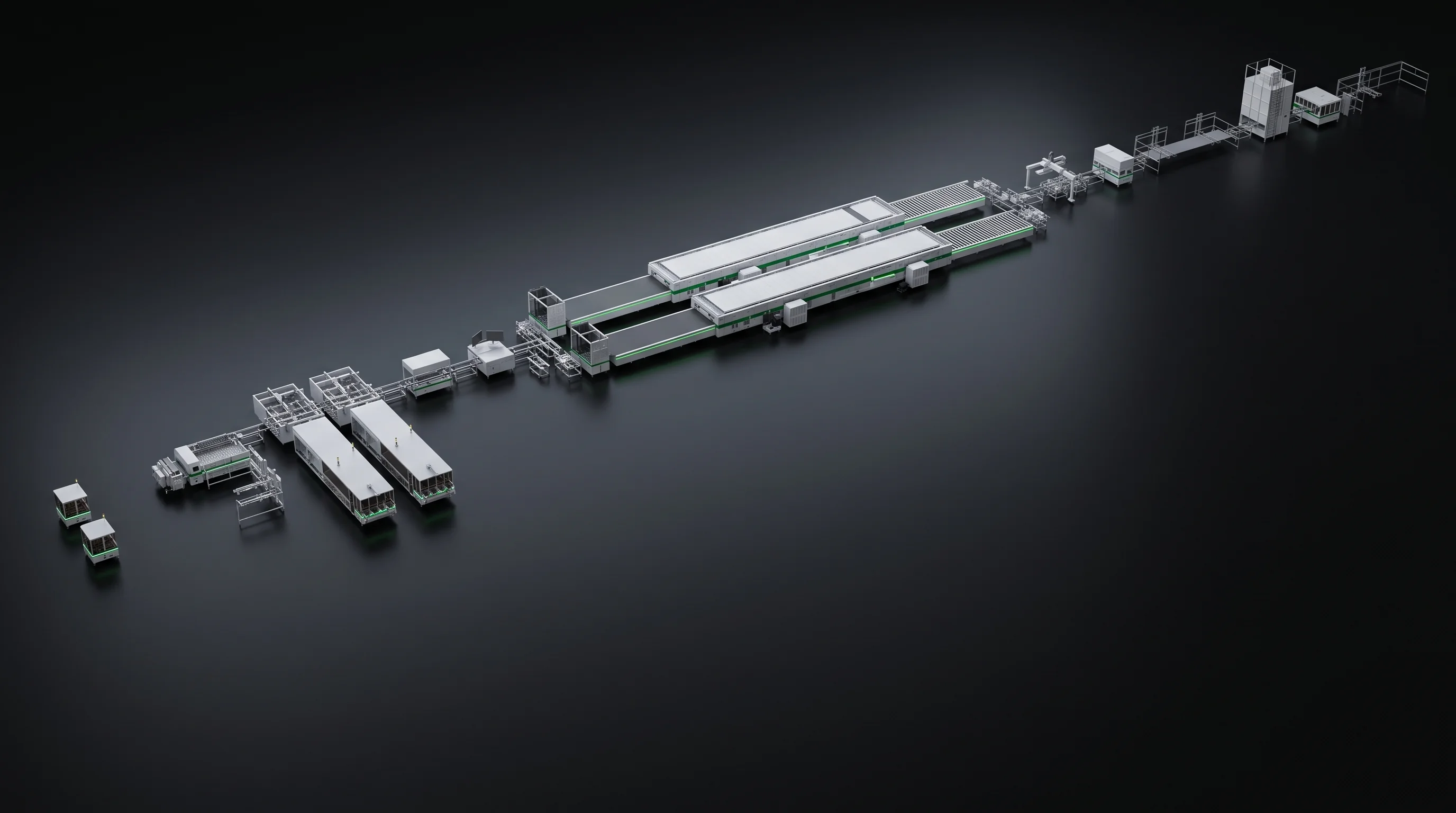
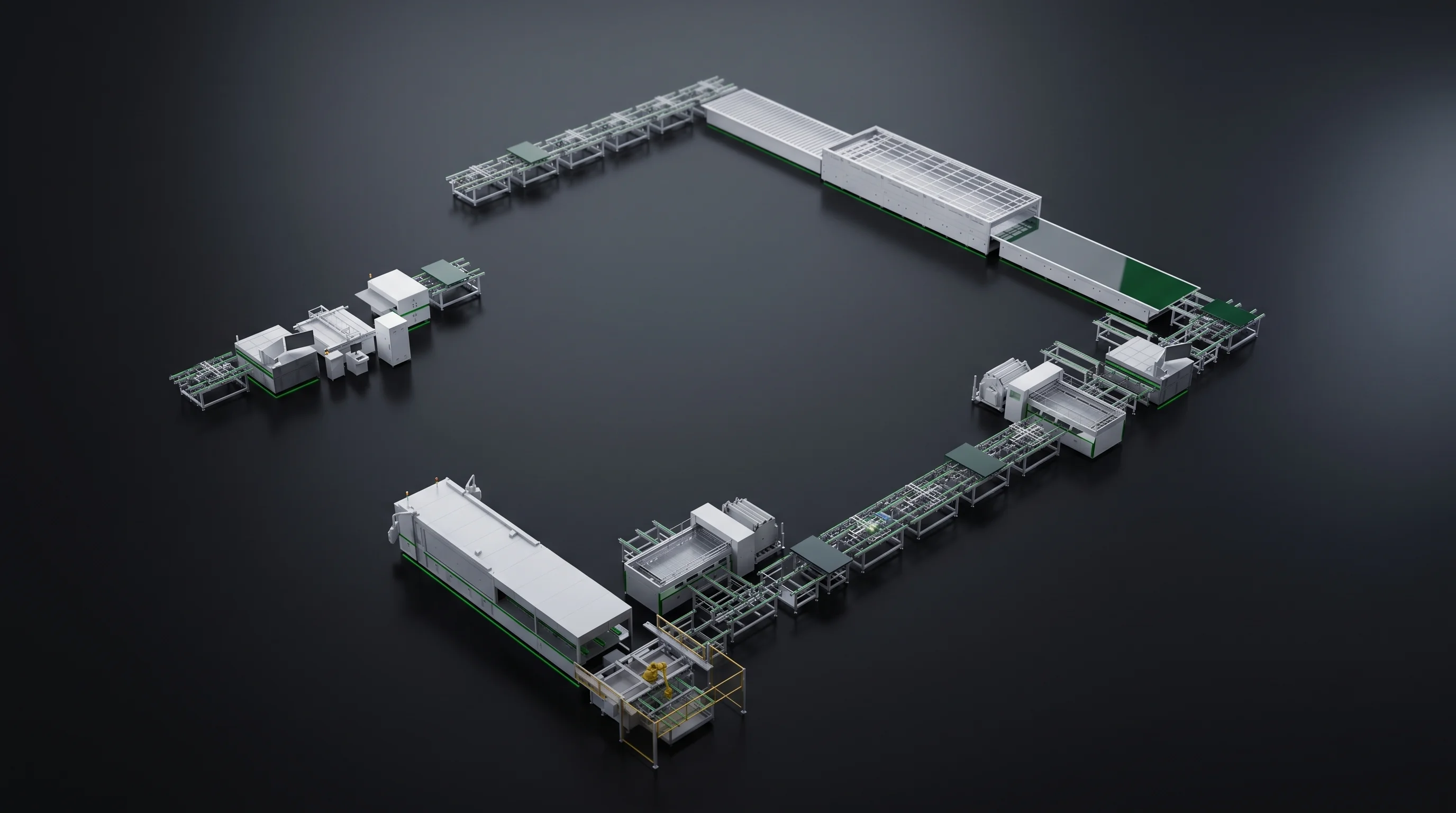
A new plant
- Brings
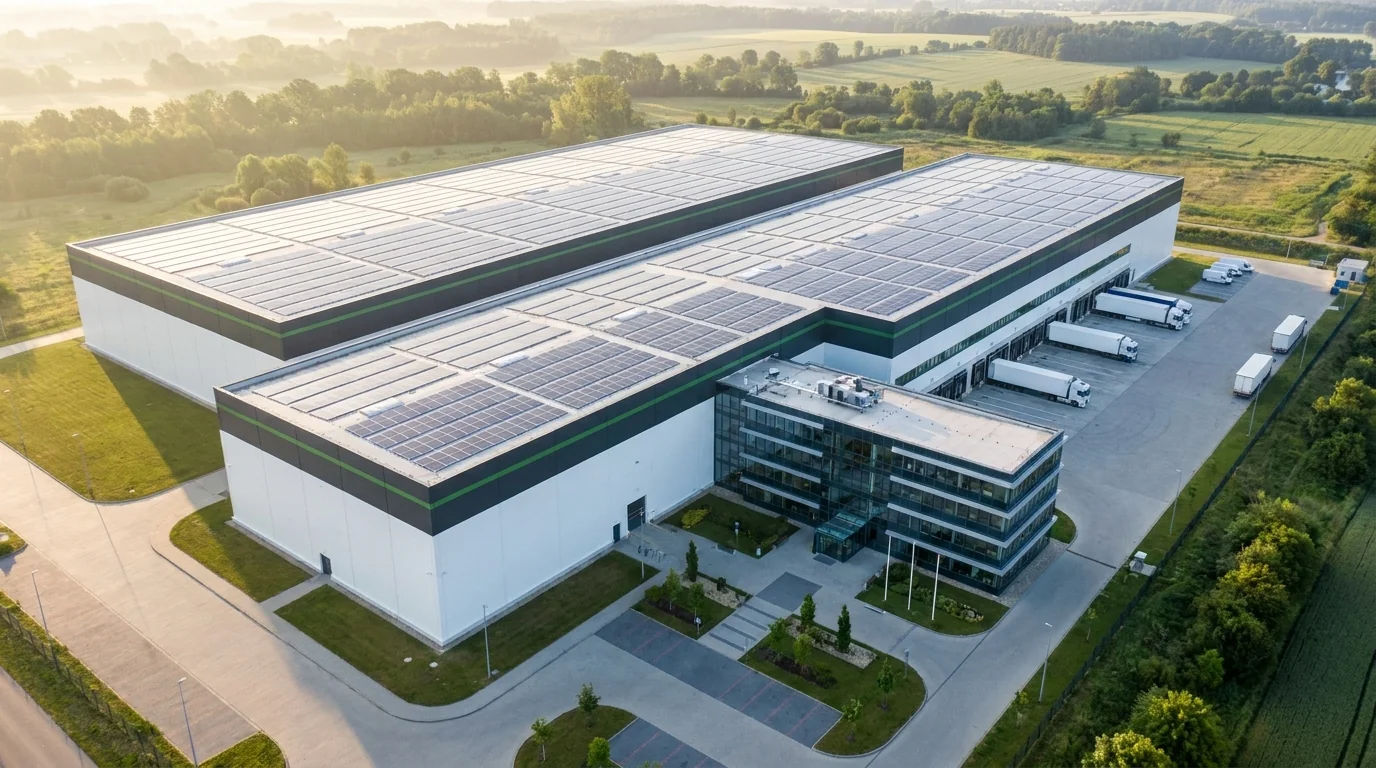
- A building: clear height, floor load, power entry, air and exhaust, settled before a machine is built.
- Takes
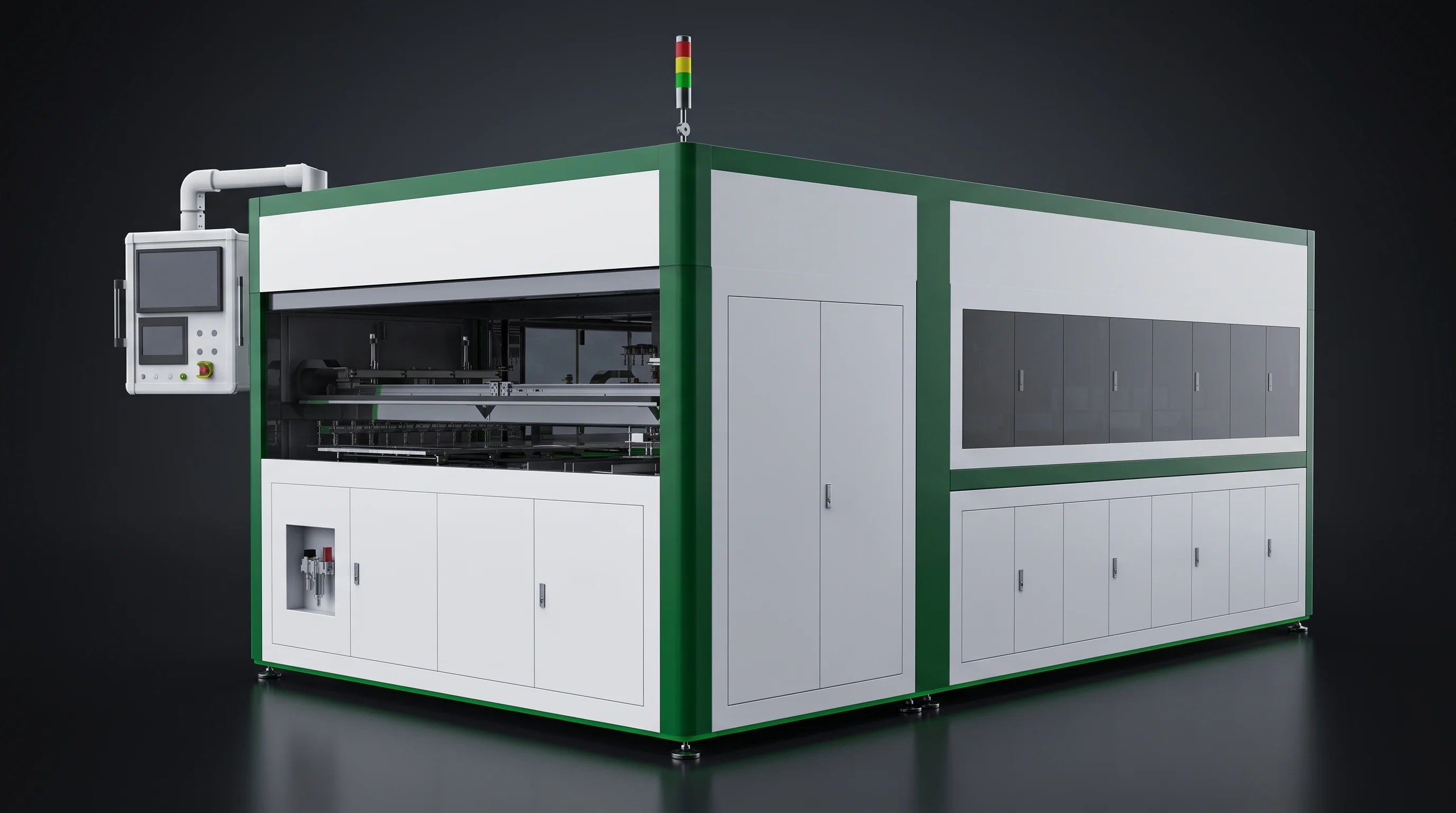
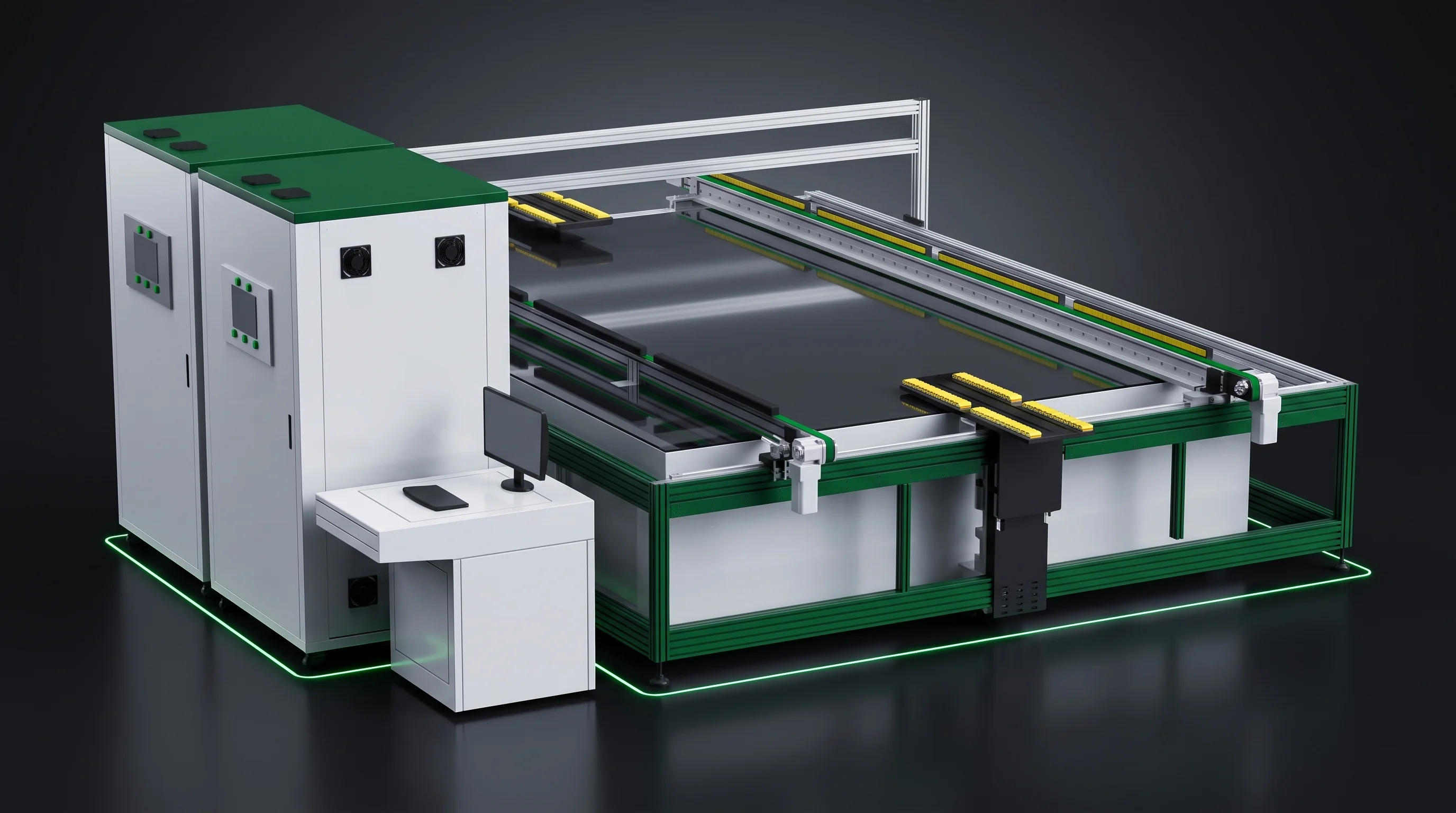
- A station list matched to that building. A stringer of 8050 mm by 2800 mm and 7000 kg cannot be fitted after the fact.
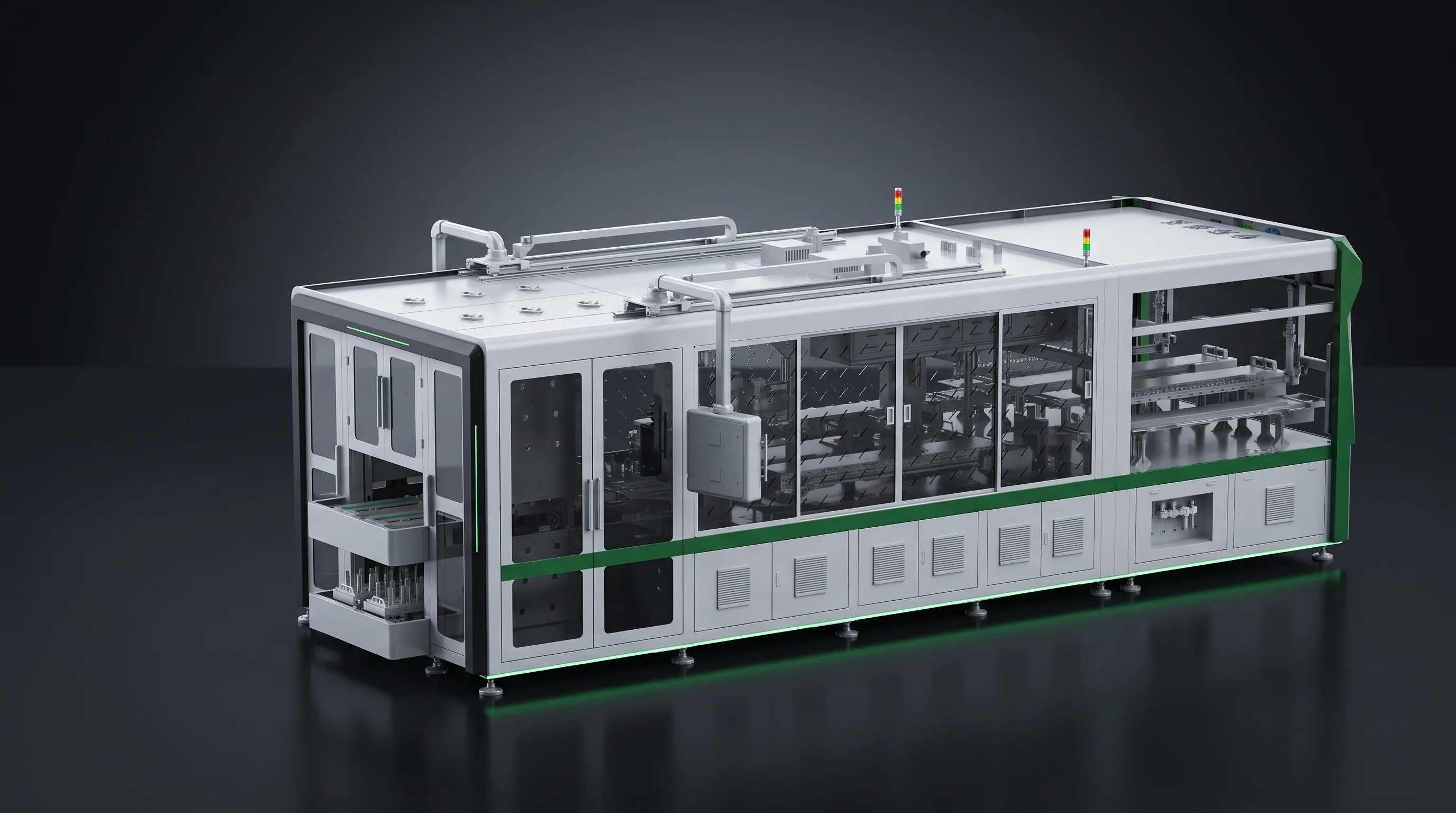
About SolarModule Line
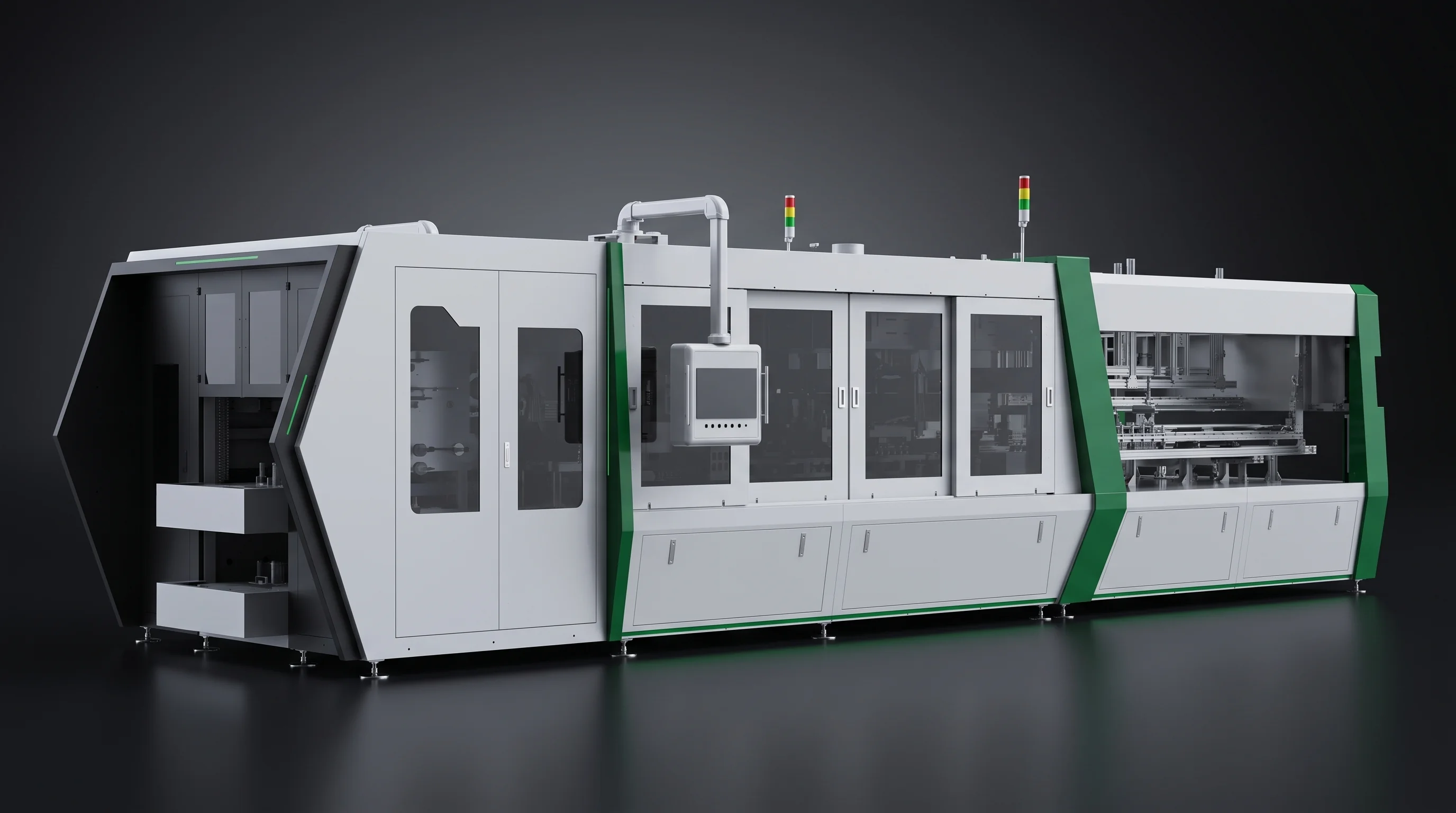
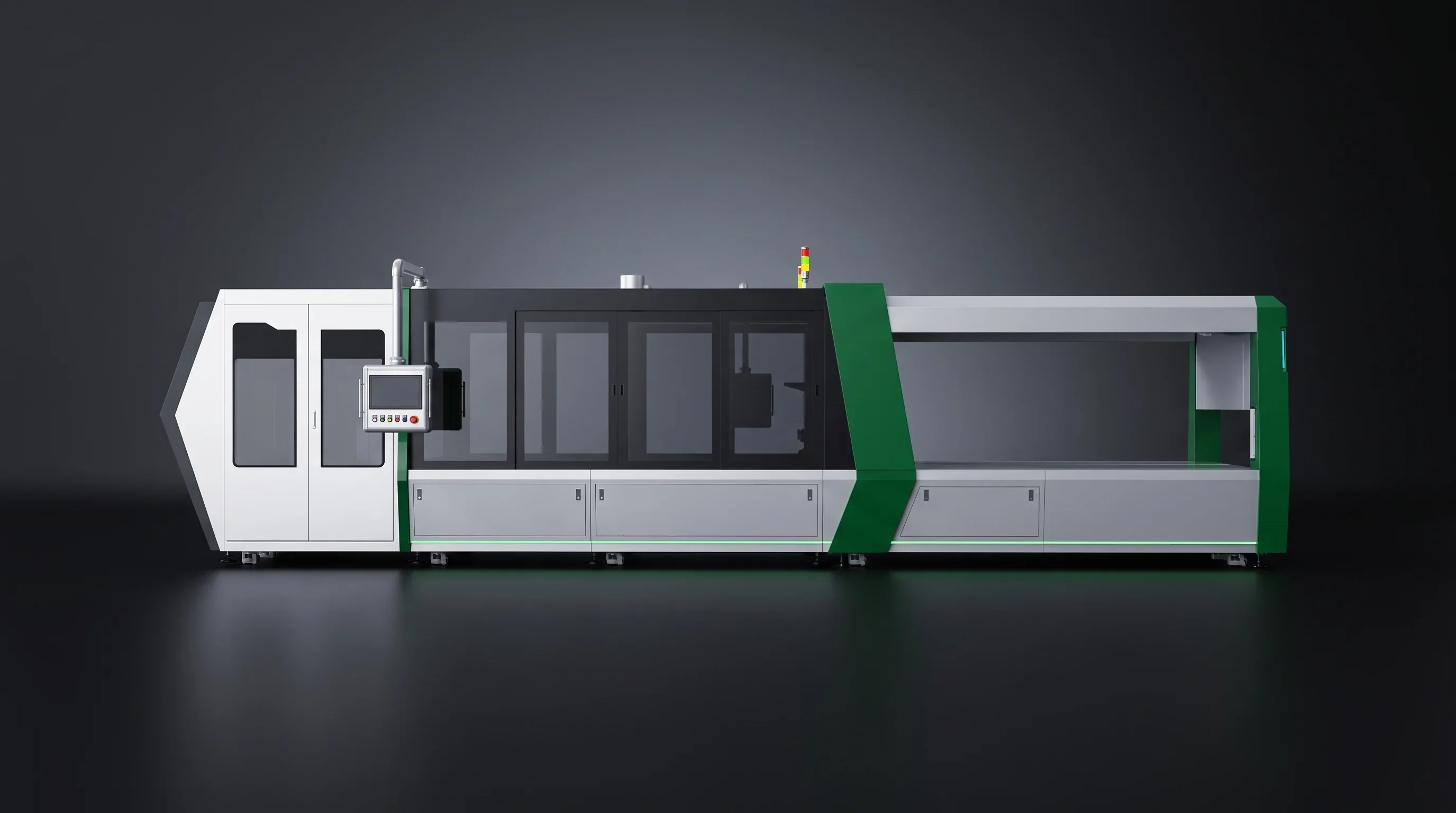
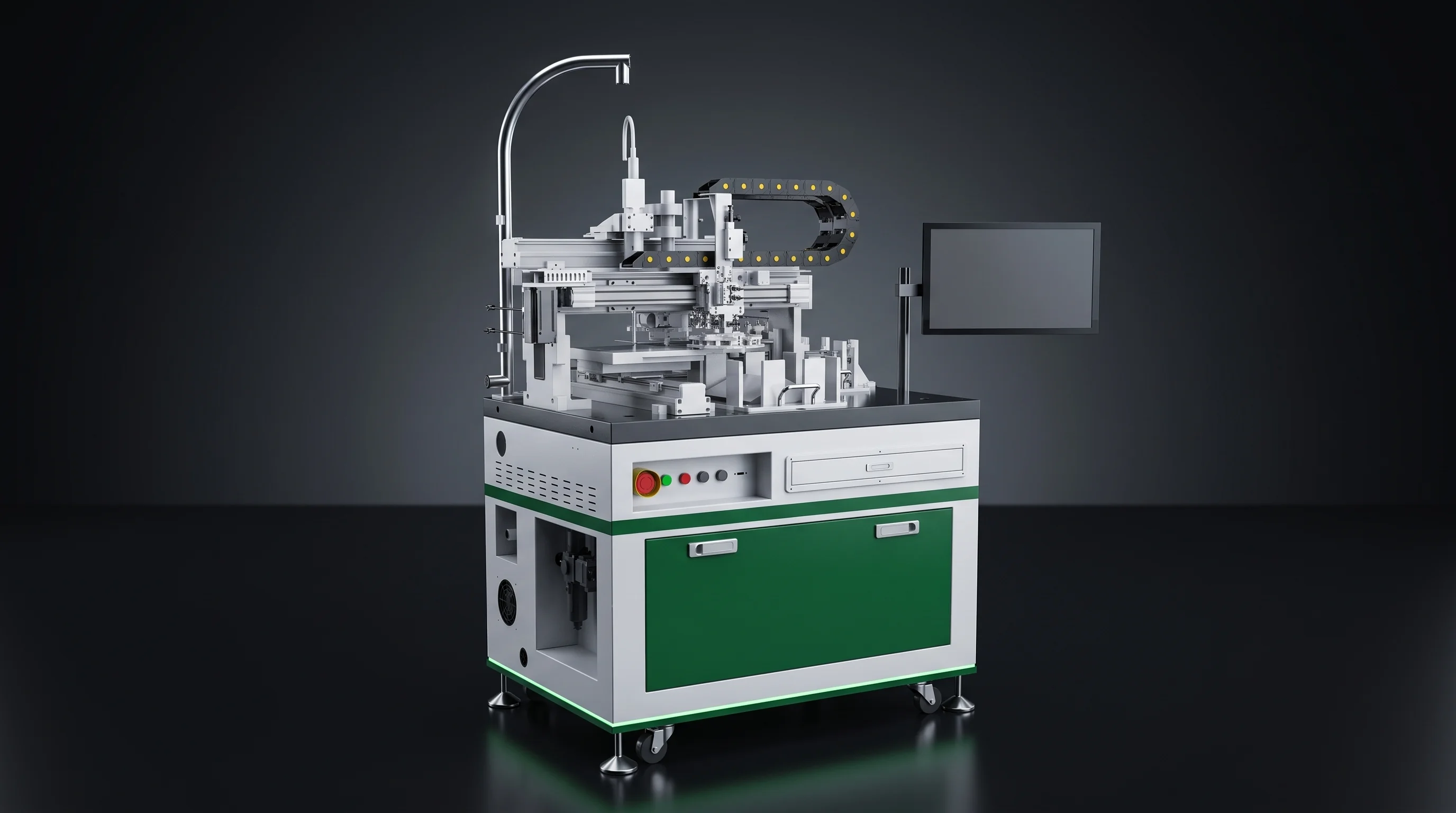
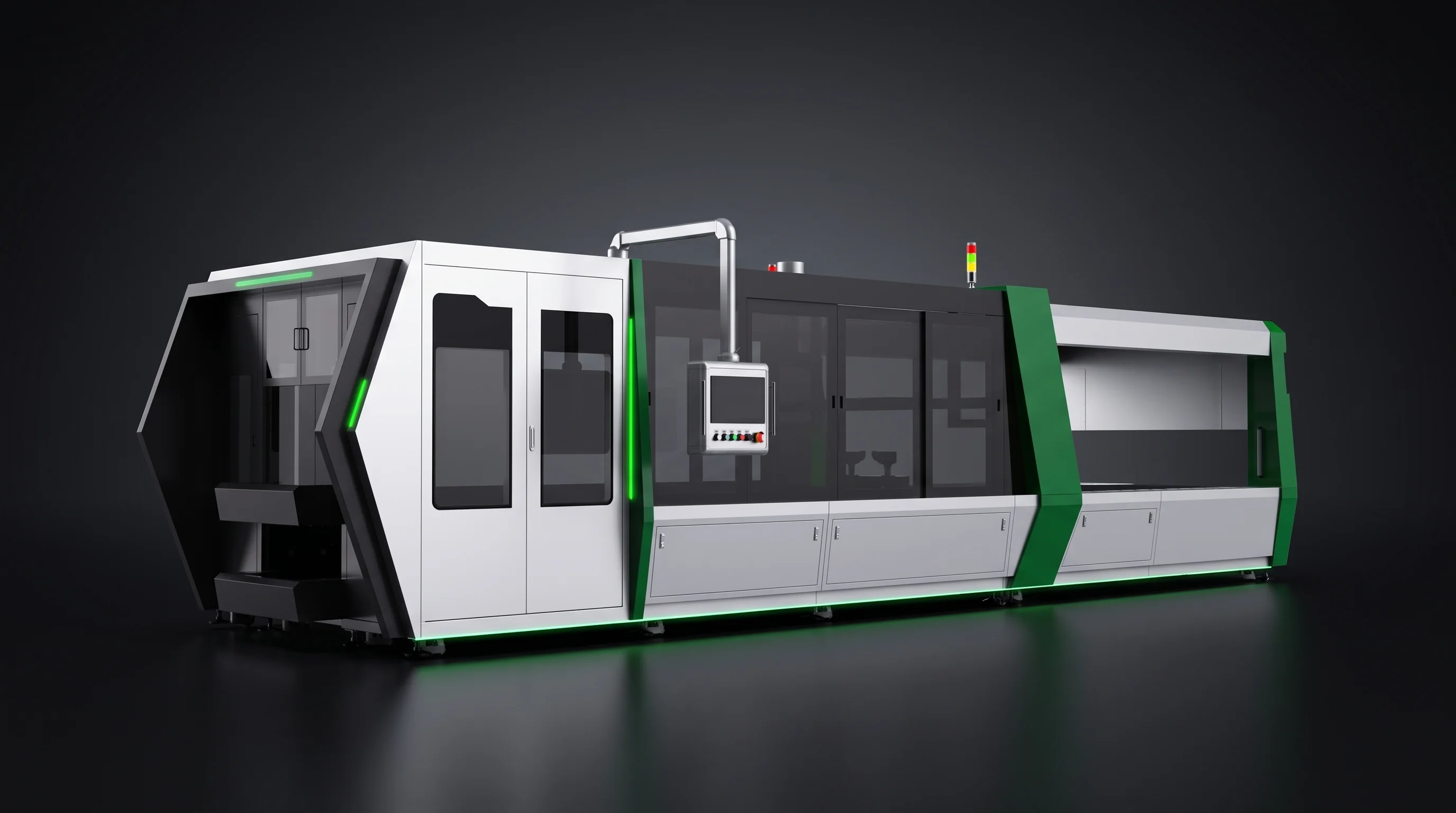
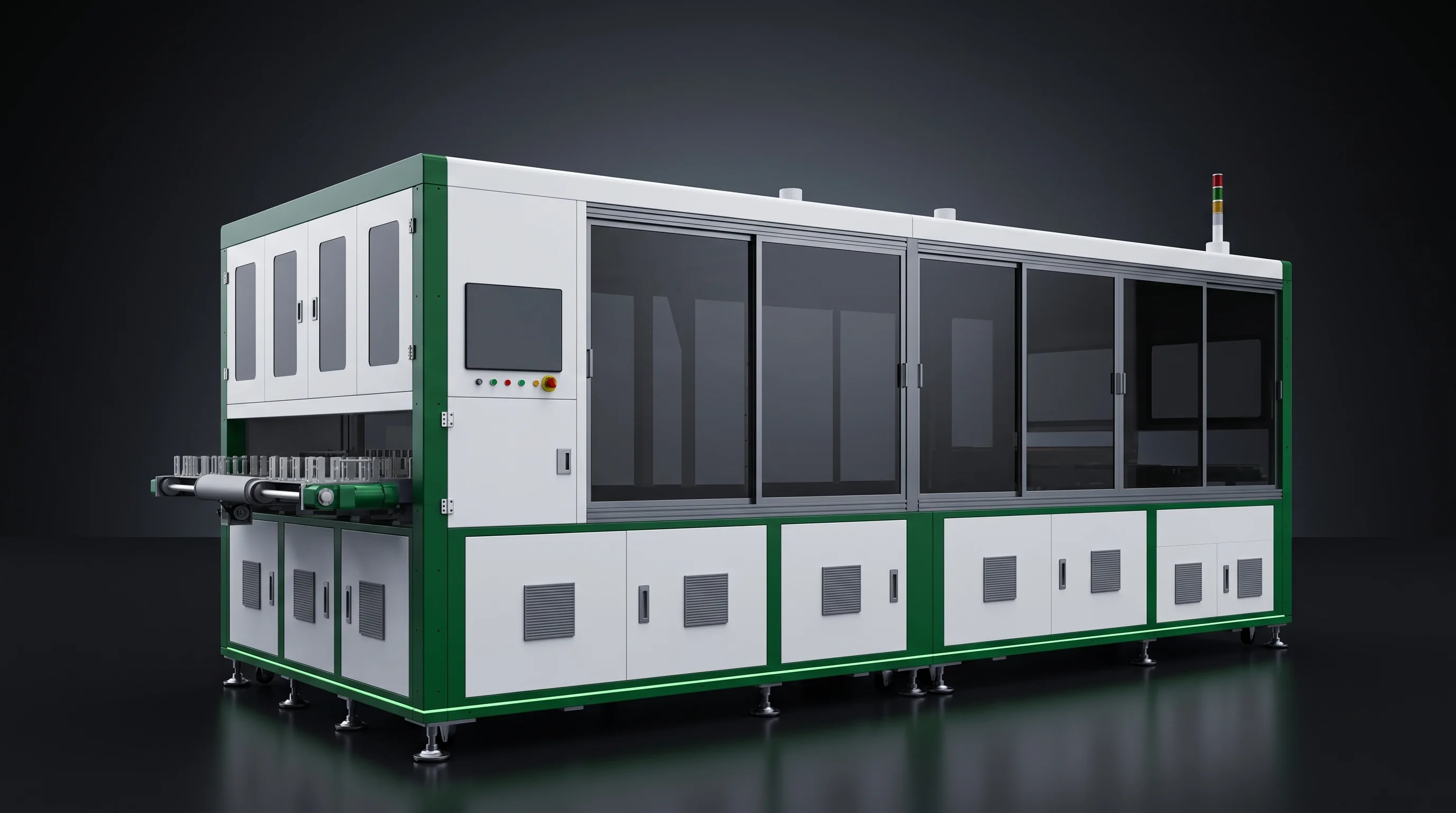
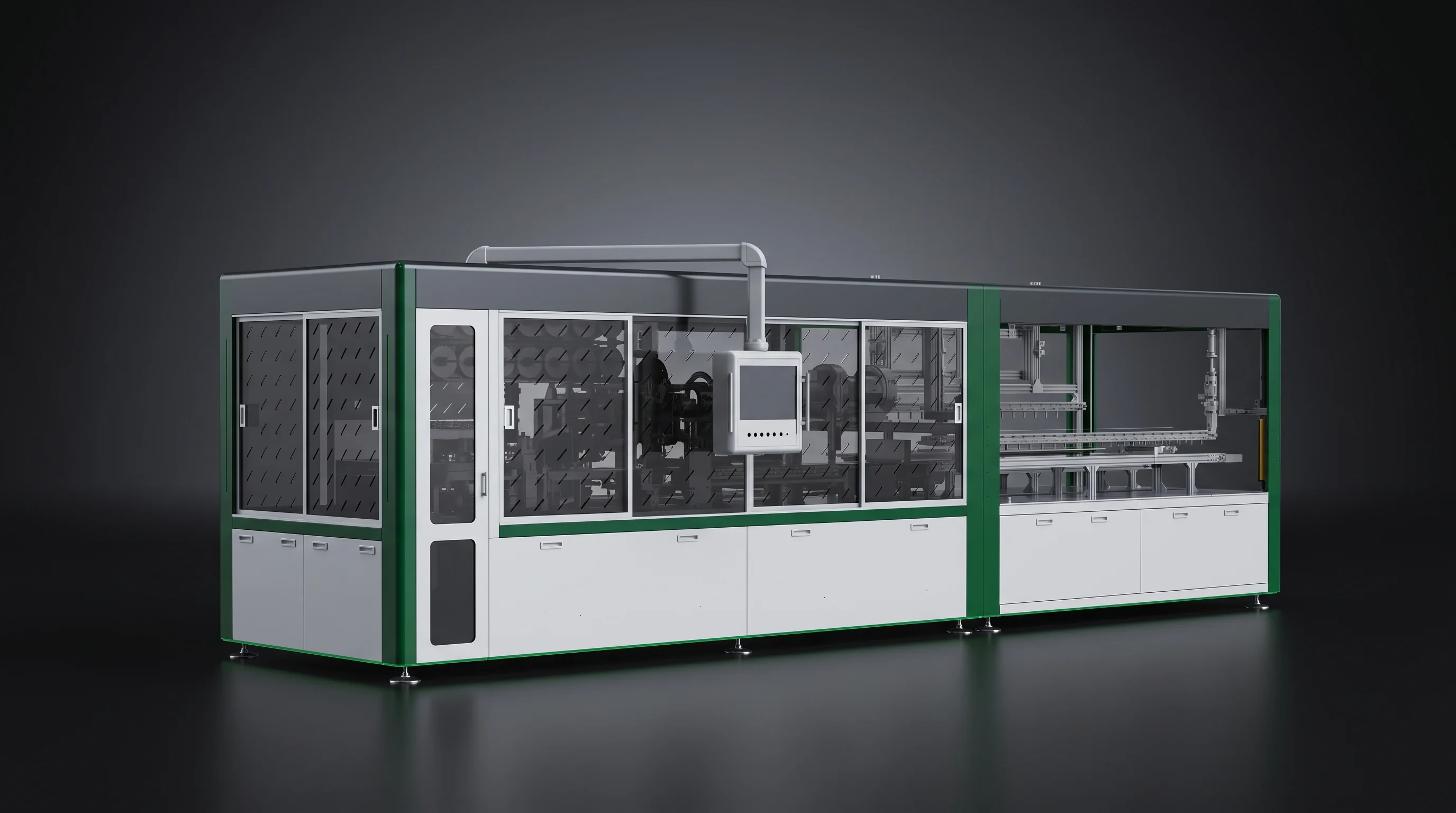
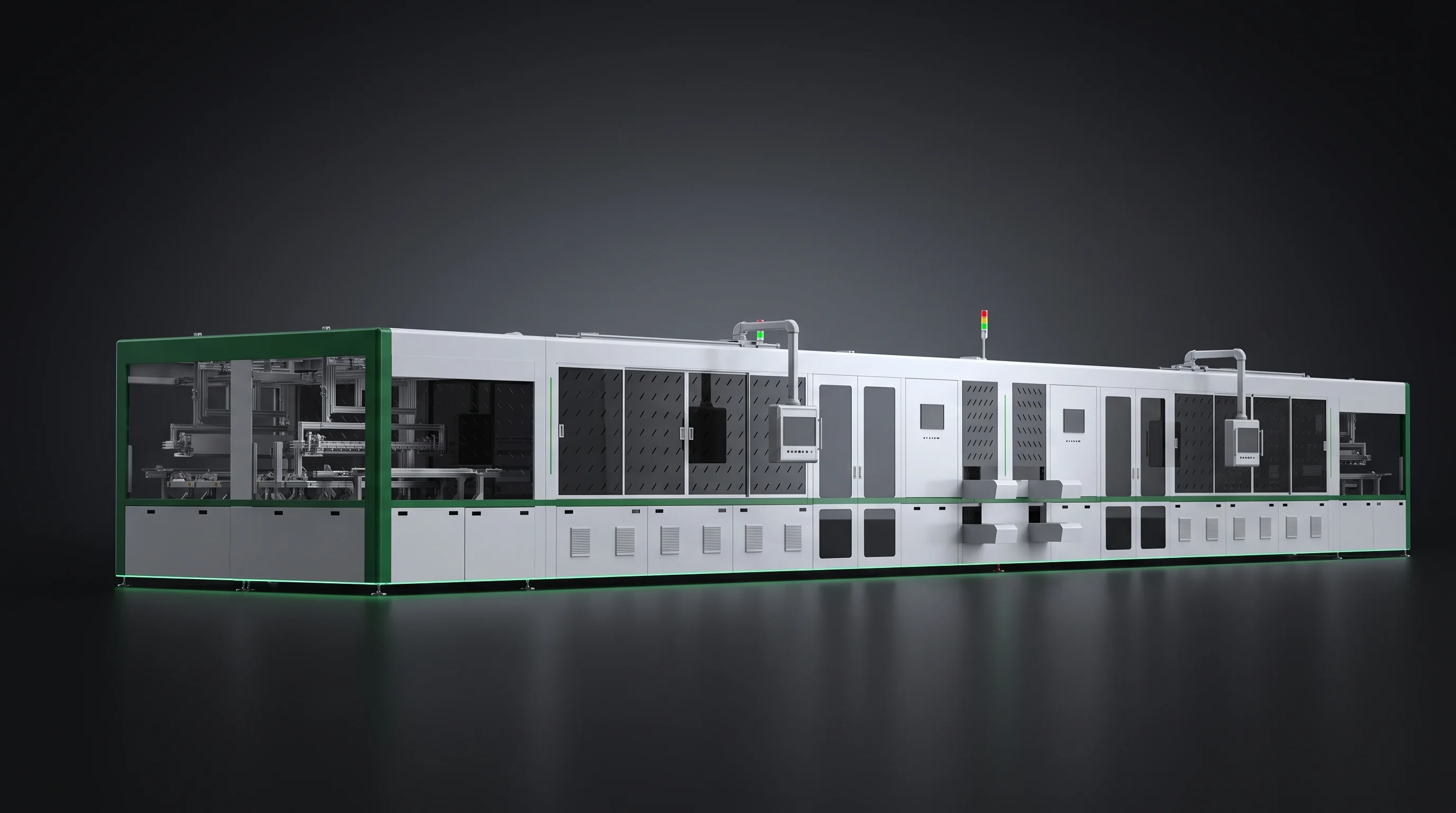
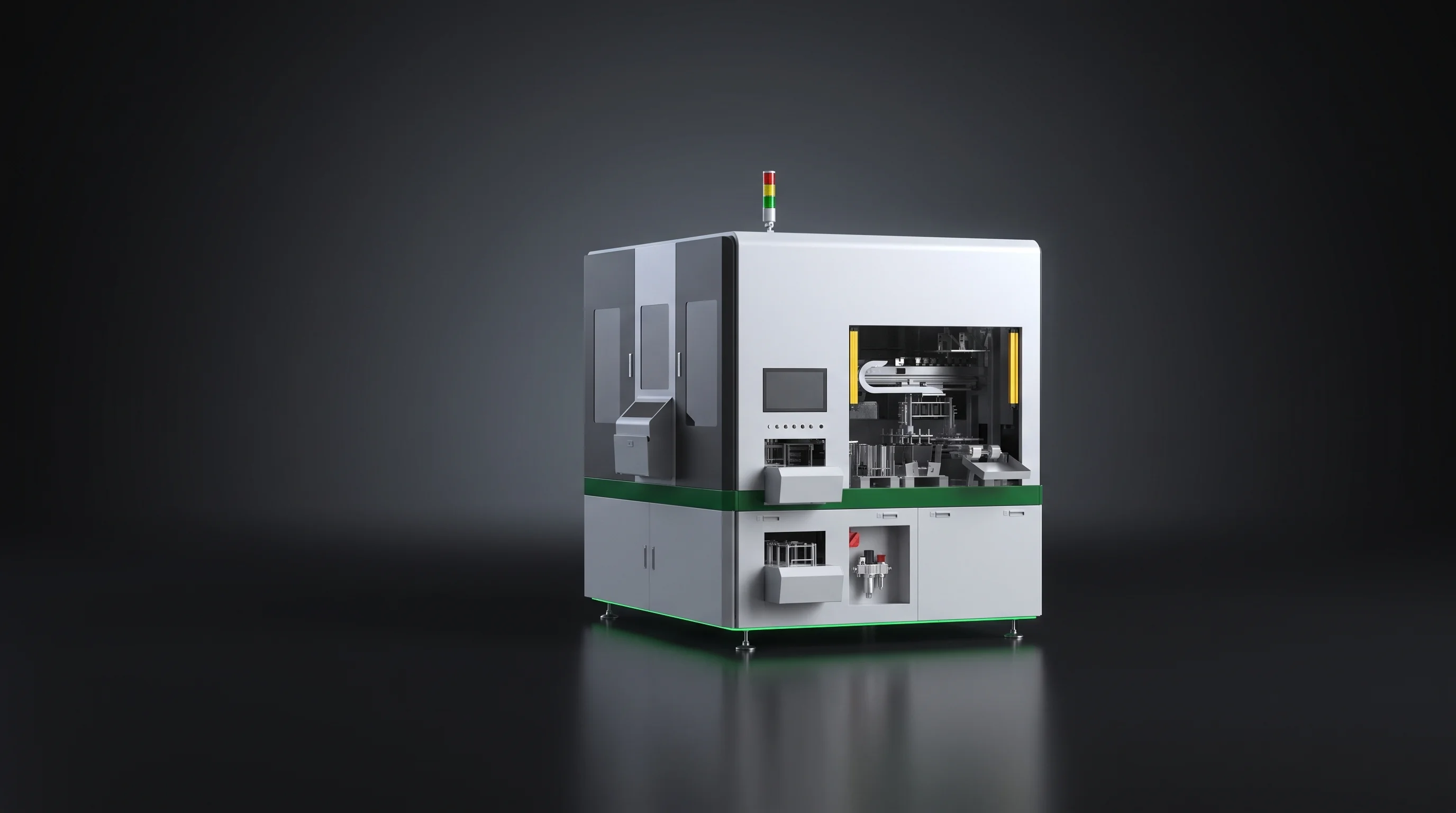
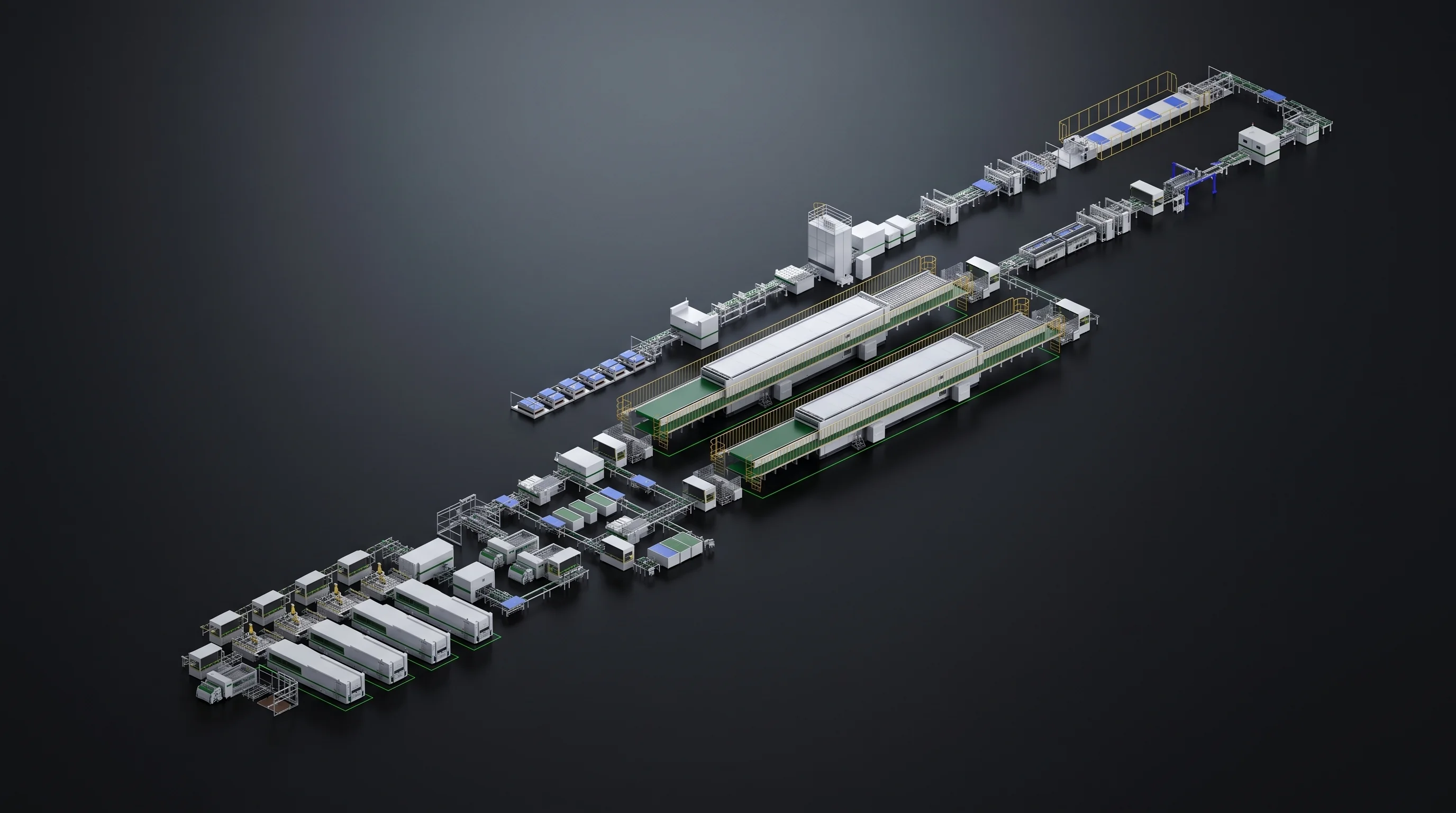
A solar module production line manufacturer working on one span of the module plant. The cell arrives made and tested; it leaves as a laid-up, bussed and measured panel waiting for the laminator you already run. Inside that span: laser scribers, tabber-stringers, robotic layup, bussing, EL and IV test and frame marking.
Six models carry a full technical agreement with a complete parameter table.
Each carries a name, not an assurance.
Cell drawing, busbar count, target output: a machine selection comes back within 24 hours.
Line figures in one place
Each is a parameter row, measured the same way at run-off and at site acceptance.
Dedicated SML-S60 stringer, 166 to 210 mm BC cells.
SML-C72 grooving and thermal cleaving, against pieces run.
Aligned by the vision calibration engineer, measured at run-off.
Unplanned downtime against a 24 hour day.
Where the work sits
The span opens at the cell magazine and closes at the frame marker. Everything upstream belongs to the cell maker, everything from lamination onward to the laminator on your floor, so all our engineering, tooling and service capacity sits in these six stations.
Three cell technologies run through it with dedicated machines, BC first, then TOPCon, then PERC. Each machine has its own window and is sold against it.

Who deals with us, and about what
The person on your side, and the shape of the work, follow from the plant you run.


SML-S60Ask any supplier what negative cell pitch their BC stringer holds. A converted multi-busbar machine has no answer below zero.One question that settles it
Where the engineering went
The SML-S60 is a dedicated BC stringer, not a multi-busbar machine relabelled. Negative pitch is a BC layout requirement, and a machine designed around TOPCon or PERC stringing does not acquire it later.
BC cells are grooved and cleaved on their own terms, so they carry a scribing figure of their own. Three further BC stringer variants are in production, the SML-S25, SML-S15B and SML-S60B, for formats outside the SML-S60 window.
From drawing to shipment
Each stage produces a document rather than an assurance, and each is the input to the next.
Cell size, thickness, busbar count and string geometry come from it. The outgoing cell and string information follow inside 5 to 10 working days, so tooling is cut for the cell that exists.
Throughput, positioning deviation, pull force, pitch accuracy, defect and breakage rate, uptime, footprint, power, air and exhaust, written as values rather than adjectives.
Built and accepted against the one cell format you nominate; other formats in the window are reached by changing tooling.
The last stage before shipment. A machine that misses a row goes back to assembly instead of onto a truck.
The acceptance standard
The acceptance standard is written so that every row can be judged pass or fail by two people standing at the machine. Each parameter becomes an acceptance line item.
| Parameter row | How it becomes an acceptance line item |
|---|---|
| Throughput | Counted over a run, in pieces per hour |
| Positioning and angular deviation | Measured on the string against the drawing |
| Welding pull force | Pulled, ribbon by ribbon |
| Cell pitch and pitch accuracy | Gauged against the nominated pitch |
| Breakage and string defect rate | Counted against pieces run |
| Uptime | Unplanned downtime against a 24 hour day, not a general claim |
Swipe to see the full table

Deliver a machine that meets every row, at the factory run-off and again at site acceptance.
The signed cell drawing, outgoing cell and string information inside 5 to 10 working days, and at acceptance qualified material with production staff able to run the machine.
Ask for a blank acceptance list and the parameter table template before you order, and check whether every line can be marked pass or fail on its own. Tables written in adjectives cannot be.One document that settles it
Get a machine selection
An application engineer returns a machine selection with utility and floor requirements.
PV module line equipment range
Every solar module production line manufacturer sells a range; these six ship with a complete parameter table under a full technical agreement.


Each with a parameter table written for your blueprint.
Assembly and commissioning floor
| BC stringer on the floor | 8050 mm by 2800 mm, 7000 kg |
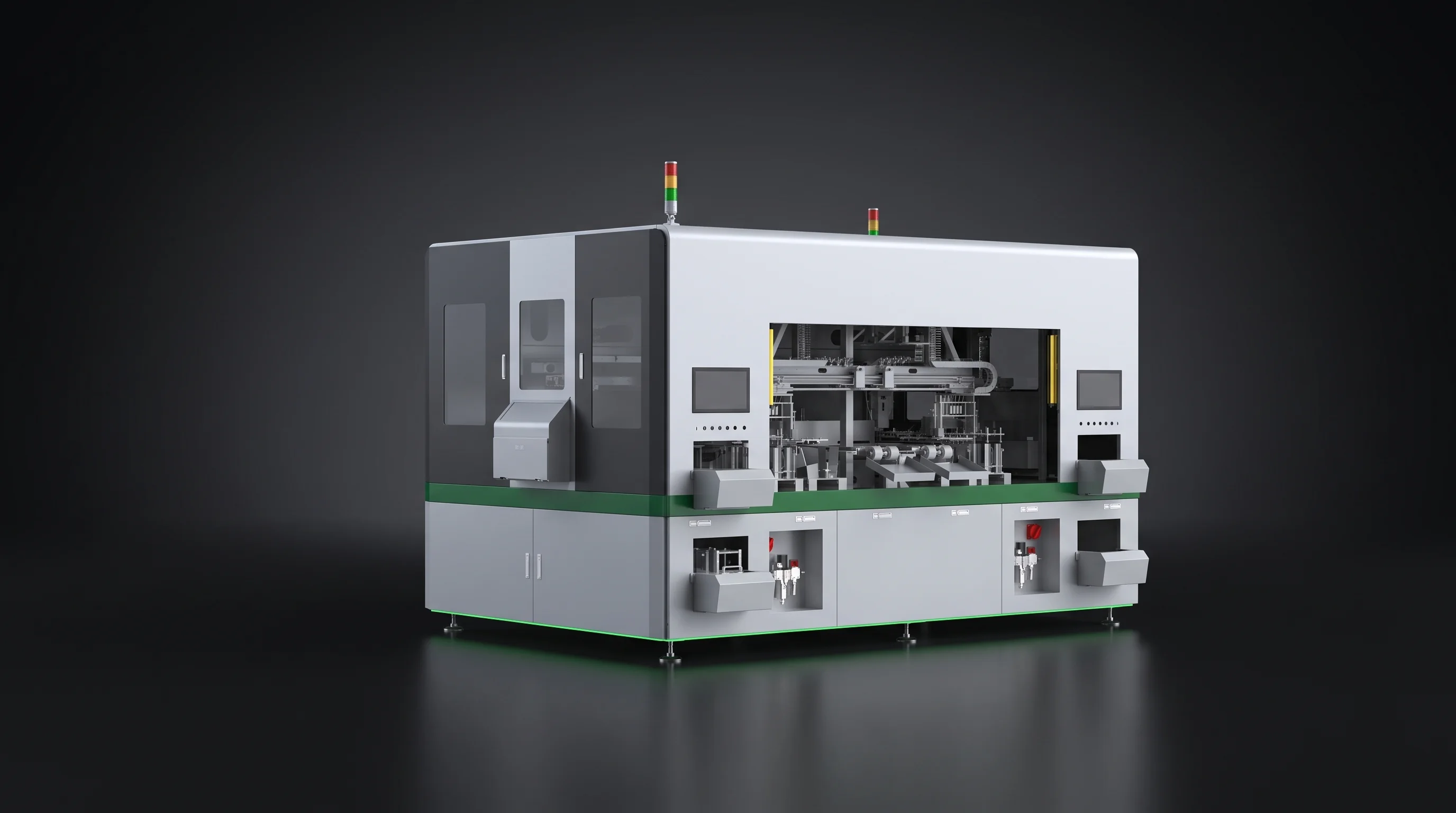
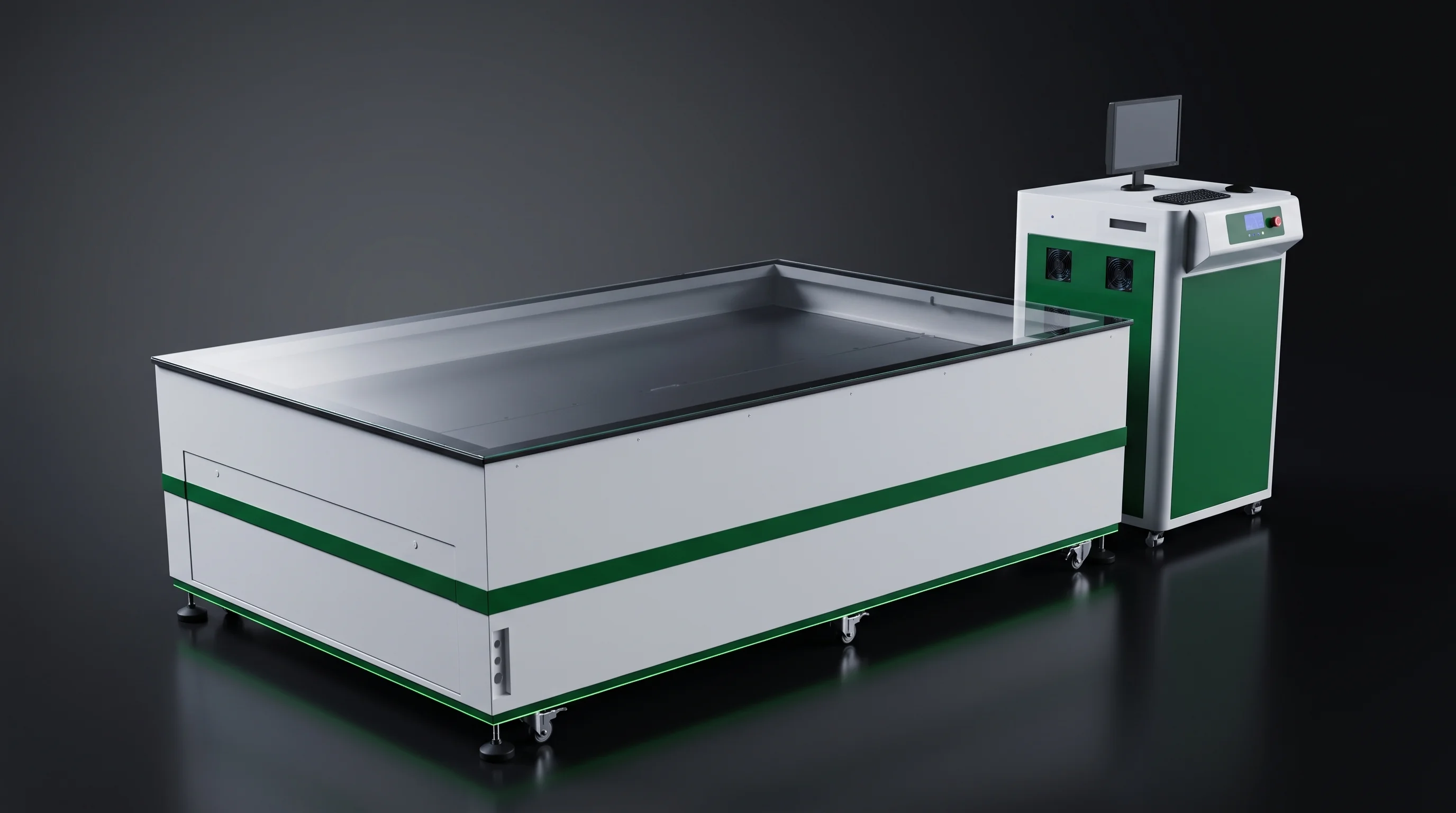
| Laser scriber on the floor | 4000 mm by 2700 mm, 5000 kg |
| Supply during run-off | Three-phase, compressed air 0.6 to 0.8 MPa, ducted extraction |
| Why it matters | The machine is proven under the conditions it meets at your site |
Run-off before shipment
Every machine is run off before it ships, with cells rather than with air: cells to your nominated blueprint, measured item by item against the rows the parameter table already contains.

Say at signature that you intend to witness the run, and it is scheduled with the application engineer and the process engineer both present. Bringing your own cells is normal, and it is the strongest form of the test: the machine meets the material it will run before either side signs.
Ask whether you can come to the factory before shipment and watch the machine run your own cells against the parameter table. The answer separates a run-off from a power-on check.One question that settles it

Engineering team and roles
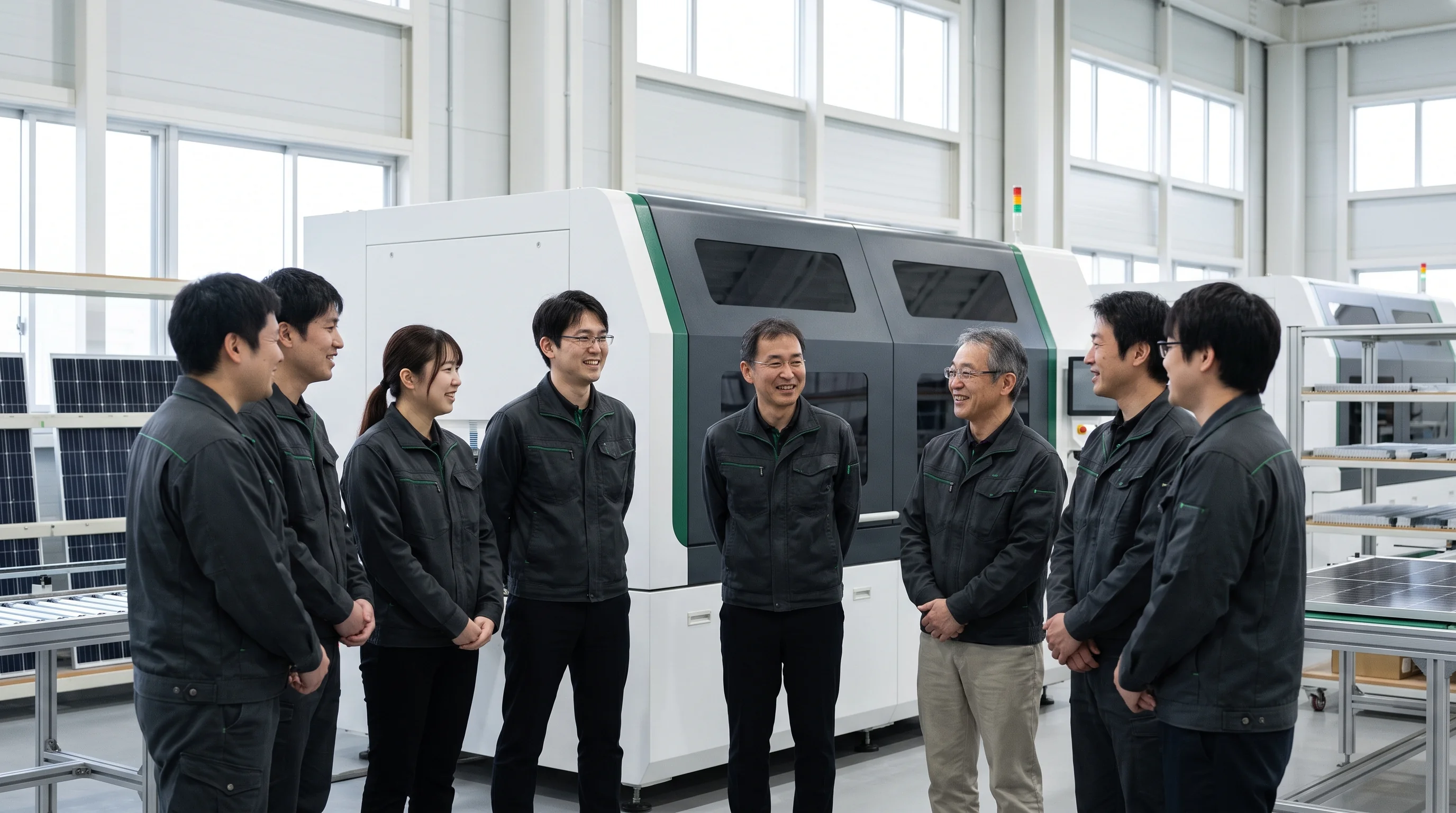
Photographed on the final assembly floor, in front of a tabber-stringer awaiting run-off: the roles that carry a machine from enquiry to the shift it runs.
| Role | What it does on your order | Owns |
|---|---|---|
| Application engineer | Converts the cell drawing and output target into a machine selection, with utility, floor and docking figures | The enquiry, start to finish |
| Process engineer | Sets welding temperature, ribbon handling and laser parameters; rules whether a measured value meets a row | The parameter table |
| Vision calibration engineer | Aligns the positioning and inspection systems behind the deviation figures | 0.05 mm and 0.04 degrees |
| Assembly lead | Controls the build sequence and releases the machine to run-off, signing it with the process engineer | Release to run-off |
| Field service engineer | Installs, commissions and trains at your plant, then stays the contact | Site acceptance and the shift after |
Swipe to see the full table
Sign-off points and escalation
Ask who has the authority to decide rework versus concession when a site acceptance item fails, and whether that decision requires the buyer's signature. Suppliers who have not settled this internally answer with a name rather than a rule.One question that settles it
Quality ahead of schedule
Schedule and acceptance figures conflict on real projects, and the figures win.

A layout, a cell drawing and an output target are enough for a machine selection and a utility list. Both come back within 24 hours.
Tooling for each cell format
Format compatibility becomes real at the tooling, and is discovered late.

A stringer covering 166 to 210 mm and 3BB to 20BB carries only part of that grid in its shipped set. Name both formats while the parameter table is written, so tooling arrives with the machine rather than after the line stops.
Installation and commissioning
Done by our own field service engineers, never subcontracted to a local integrator who has not seen the machine run off.

Qualified material in quantity, staff able to run the machine.
The same table, measured row by row and signed at your plant.
Training before acceptance
Before acceptance, at no charge, at least once and up to twice per machine.

After-sales and spare parts
One year free of charge, then lifetime maintenance service. A written notice moves on a fixed clock.
Suction cups, springs and filter elements sit outside warranty by nature, kept in long-term supply and sold as needed.
A single station and a full line take the same route: the answer is decided by your parameter table, not the order size.

What you receive
What arrives at a solar module production line handover follows from which of the three buyers you are, and every item is listed before the order is placed.

Same machine three years later
A line outlives the order that bought it. Three records are kept for every machine shipped, held against that machine, not a model number.
The cell format the machine was built and accepted against.
With its measured run-off values, row by row.
Cut for your cell format, reproduced rather than redeveloped.
A repeat order is built from that archive, so a second stringer holds the same string length, pitch and docking geometry as the first. Wear items stay in long-term supply, because matching a machine only helps if its parts are still available.
Ask which records a supplier keeps against your individual machine, and whether a repeat order is built from those records or from the current standard. The specific answer is three documents; the vague answer is a model number.One question that settles it
Enquiry handling inside the team
A solar module production line enquiry reaches the application engineer first. Where a line or a conversion is involved, the process engineer joins to set the parameter table and check the drawing against the machine window. The application engineer stays with you throughout, so a question asked at enquiry and one asked at commissioning reach the same person.

Returns a machine selection within 24 hours, floor, utility and docking figures attached.
Sets the parameter table, checks the drawing against the machine window.
Schedules the build, releases the machine to run-off.
Signs the parameter table results at run-off.
Takes the machine to site for installation, commissioning and training.
Holds the record and the 48 and 72 hour response times.
Send your line details
Email, phone, country and requirements are enough. Add cell format, busbar count, target output and existing line details, and a reply comes back within 24 hours.
Your enquiry, ready to send
If your email client opened, it is already in the message. If nothing opened, use one of the routes below.